

Can You Get a Tattoo on Blood Thinners

Getting a tattoo is more than just a cosmetic choice, it’s a physical process that involves your skin, your immune system, and your body’s ability to heal. If you take blood thinners, you may be wondering whether getting tattooed is safe, or if it’s something you should avoid altogether.
The answer isn’t a simple yes or no. Some people on blood thinners are able to get tattooed safely, while others are advised not to. What matters most is understanding the risks, communicating honestly, and making decisions that prioritize health over aesthetics.
At Tatu Amor, we believe tattooing should always be approached with integrity and informed consent. This article is meant to help you understand the considerations involved so you can make the most responsible choice for your body.
What Blood Thinners Do in the Body

Blood thinners, also known as anticoagulants, are medications that reduce the blood’s ability to clot. They’re commonly prescribed to help prevent serious medical events such as strokes, heart attacks, and dangerous blood clots. Some people take them temporarily after surgery, while others rely on them long term due to chronic conditions.
Because these medications affect how your body controls bleeding, they directly impact the tattooing process. Tattooing involves thousands of tiny punctures to the skin, and normally the body responds by clotting and beginning the healing process almost immediately. When clotting is slowed, that process changes.
Why Blood Thinners Matter When Getting a Tattoo
When someone on blood thinners gets tattooed, the most immediate concern is increased bleeding. This doesn’t just mean a messier session, it can affect how the tattoo heals and how the ink settles into the skin.
Excessive bleeding can push ink out of the skin, making it harder for the artist to achieve clean, consistent results. It can also increase skin trauma, leading to longer healing times or a higher risk of irritation. In some cases, prolonged bleeding can make it unsafe to continue a session at all.
Healing may also take longer than usual, which means the skin stays vulnerable for an extended period. That extended healing window can increase the risk of complications if aftercare isn’t followed carefully.
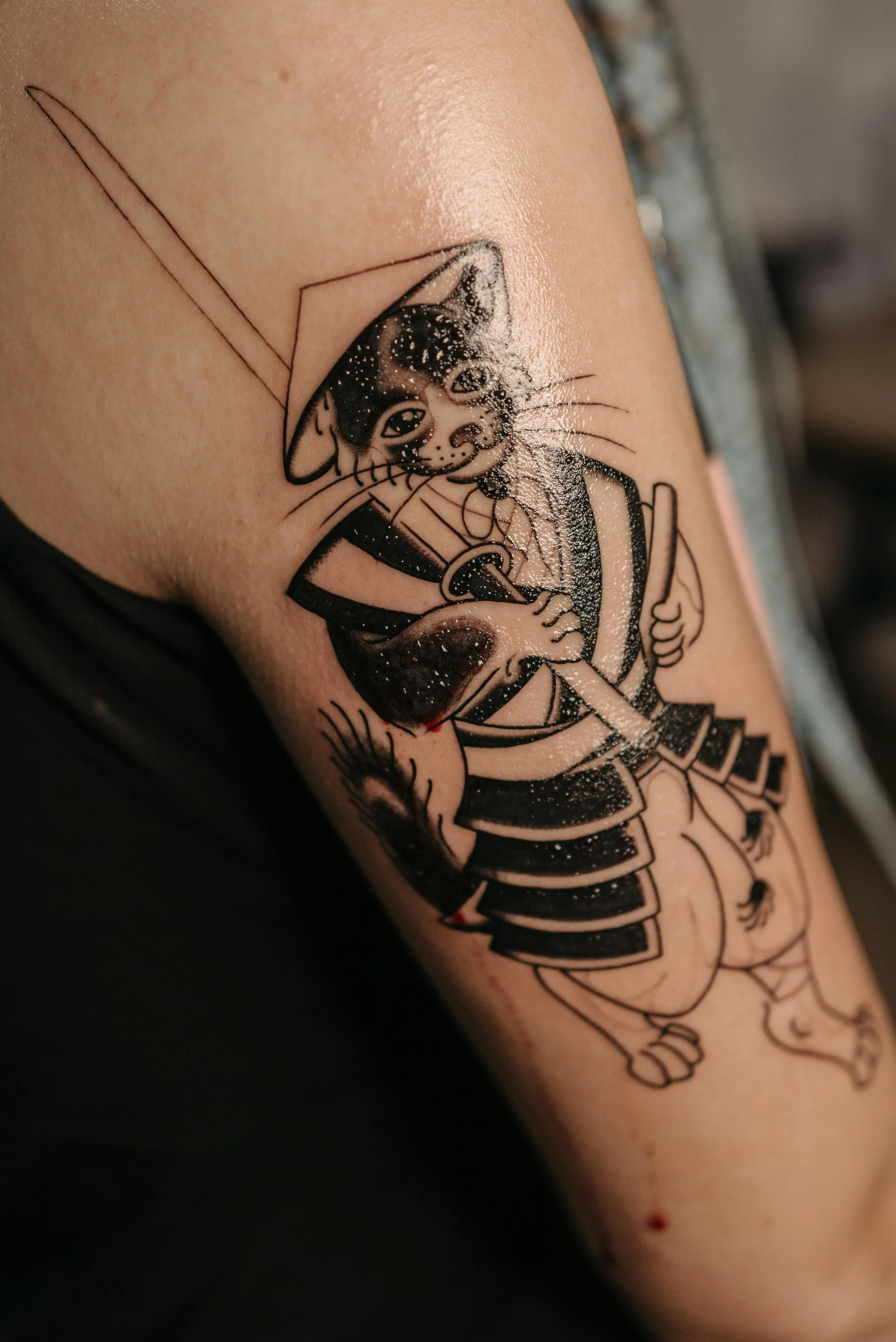
Is It Ever Safe to Get a Tattoo While on Blood Thinners?
In some situations, yes, but only with medical guidance and an experienced tattoo artist who understands the risks.
The safety of tattooing while on blood thinners depends on several factors, including the type of medication you’re taking, the dosage, the reason it was prescribed, and your overall health. Someone on a low, stable dose with no additional health complications may receive medical clearance, while someone on a higher dose or with a complex condition may be advised against tattooing.
What’s critical is that you never stop or adjust your medication on your own in order to get tattooed. Blood thinners are prescribed for serious reasons, and altering them without medical supervision can be life-threatening.
Why Honest Communication With Your Artist Matters
Professional tattoo artists ask about medications because it’s part of ethical, responsible practice, not because they want to pry. Knowing whether a client is on blood thinners allows the artist to assess whether tattooing is safe, and if so, how to approach the session responsibly.
An ethical artist may recommend a smaller design, suggest a different placement, or even decline the tattoo if the risk is too high. While that can be disappointing, it’s a sign that the artist is prioritizing safety over profit.
If an artist tells you to hide your medication use or dismisses concerns about blood thinners, that’s a serious red flag. Tattooing should never be rushed or done at the expense of someone’s health.
Medical Clearance Is Essential
Before booking a tattoo, it’s important to speak with your healthcare provider. Let them know you’re considering getting tattooed and ask whether it’s safe given your specific medication and health history.
Some providers may approve tattooing with certain limitations, such as keeping the tattoo small or avoiding certain areas of the body. Others may advise waiting or avoiding tattooing altogether. While that answer isn’t always what someone hopes for, it’s information that protects you in the long run.
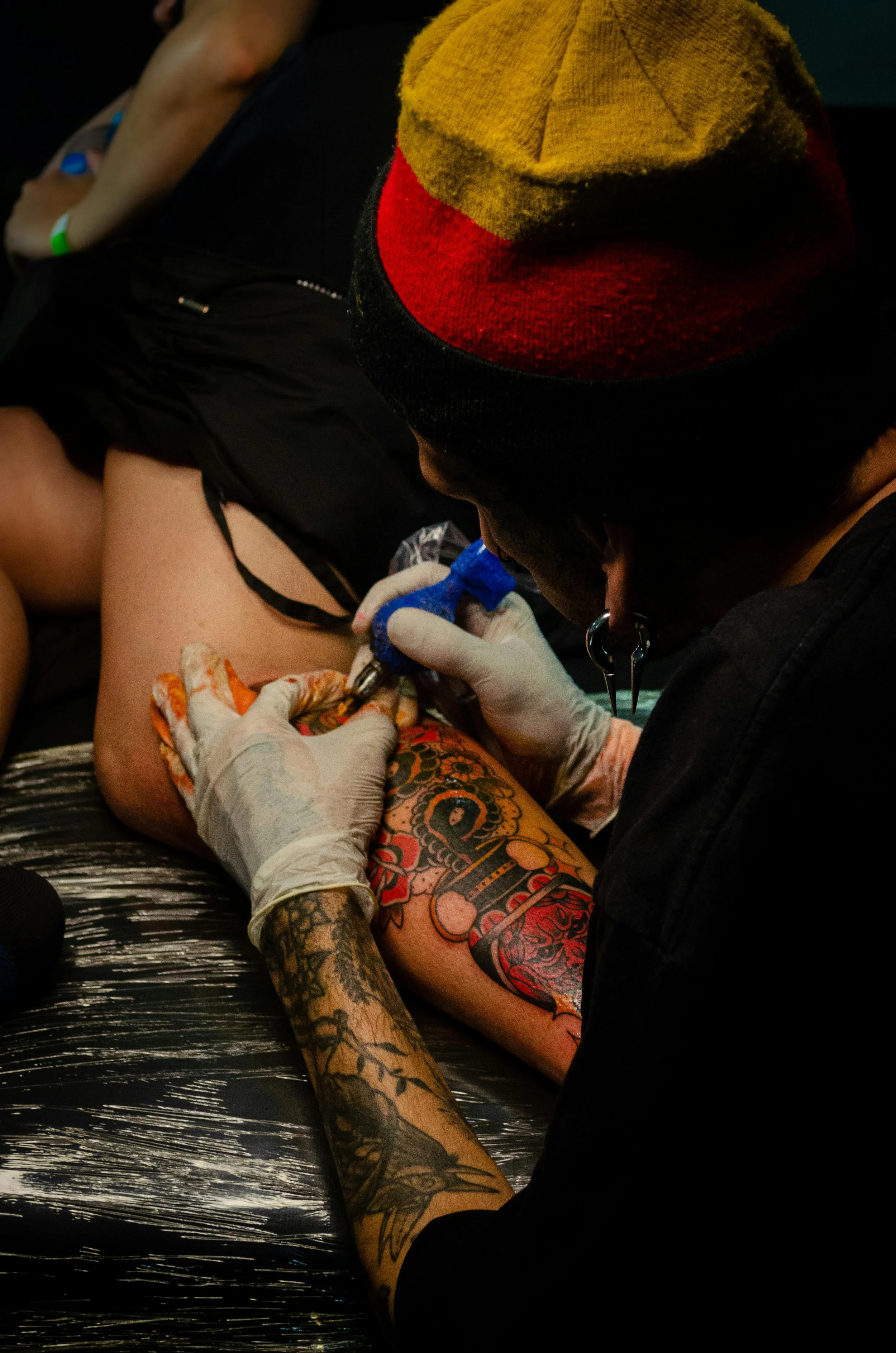
How Tattoo Quality Can Be Affected
Beyond health risks, blood thinners can affect the final outcome of a tattoo. Excess bleeding can dilute pigment or prevent ink from settling evenly into the skin. This may result in patchy areas, blurred lines, or faster fading, even if the artist is highly skilled.
In some cases, people on blood thinners require more touch-ups than usual, which means additional healing time and additional stress on the skin. Understanding this ahead of time can help set realistic expectations.
Healing and Aftercare Considerations
If you’re cleared for tattooing, aftercare becomes especially important. Healing may take longer, and the skin may be more sensitive during the process. Following your artist’s aftercare instructions precisely is essential.
It’s also important to monitor the tattoo closely. Prolonged bleeding, unusual swelling, increasing redness, or signs of infection should be taken seriously and addressed promptly with a medical professional.
Patience plays a big role here. Healing on blood thinners may not follow the same timeline as someone who isn’t on anticoagulants, and that’s okay. Supporting your body through that process matters more than rushing results.
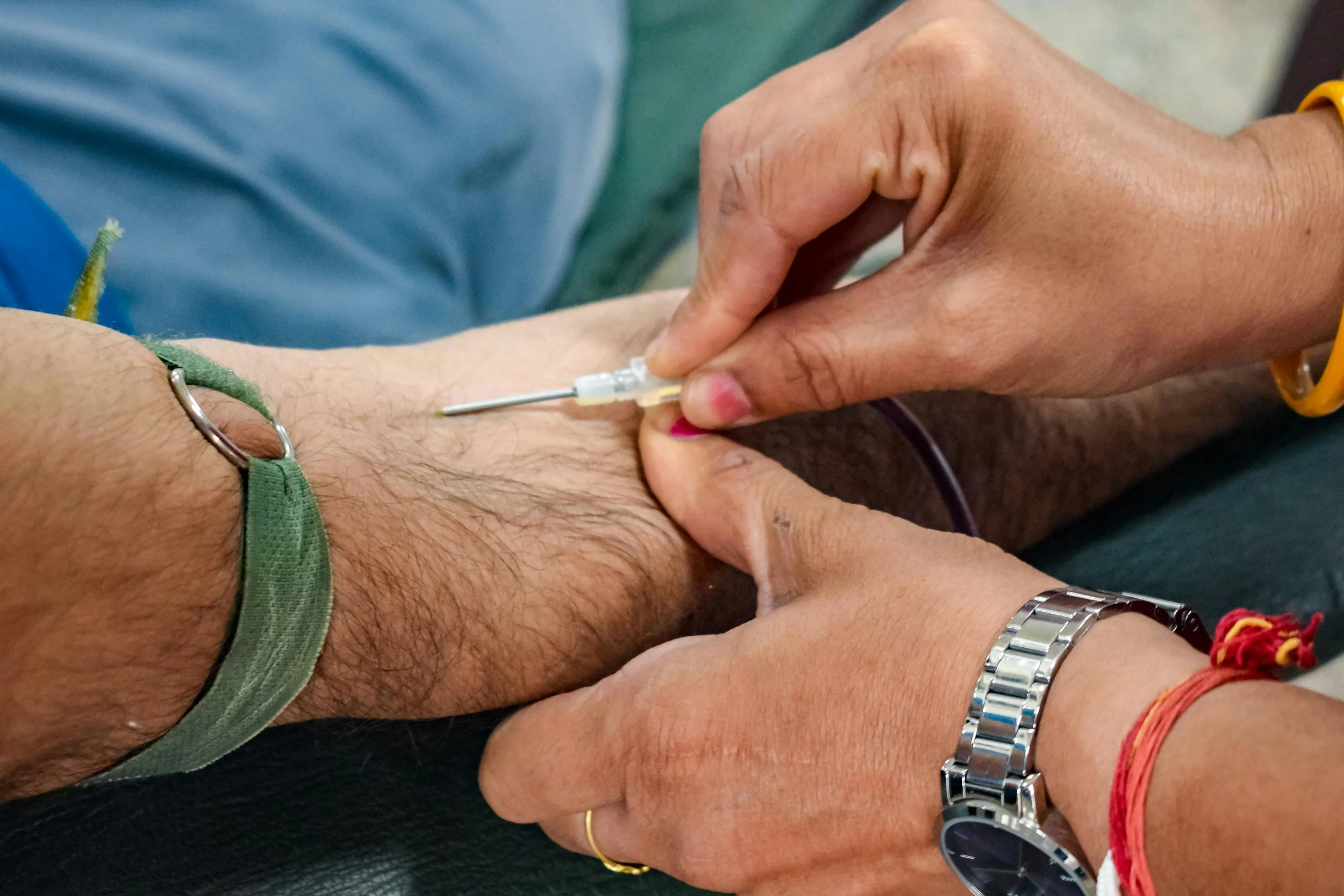
When Tattooing May Not Be the Right Choice
There are situations where tattooing simply isn’t recommended. This may be the case for people on high-dose anticoagulants, those with unstable medical conditions, or individuals with additional bleeding or immune-related disorders.
If a healthcare provider or tattoo artist advises against tattooing, it’s not a failure or a limitation, it’s an act of care. There will always be opportunities for body art in the future if circumstances change.
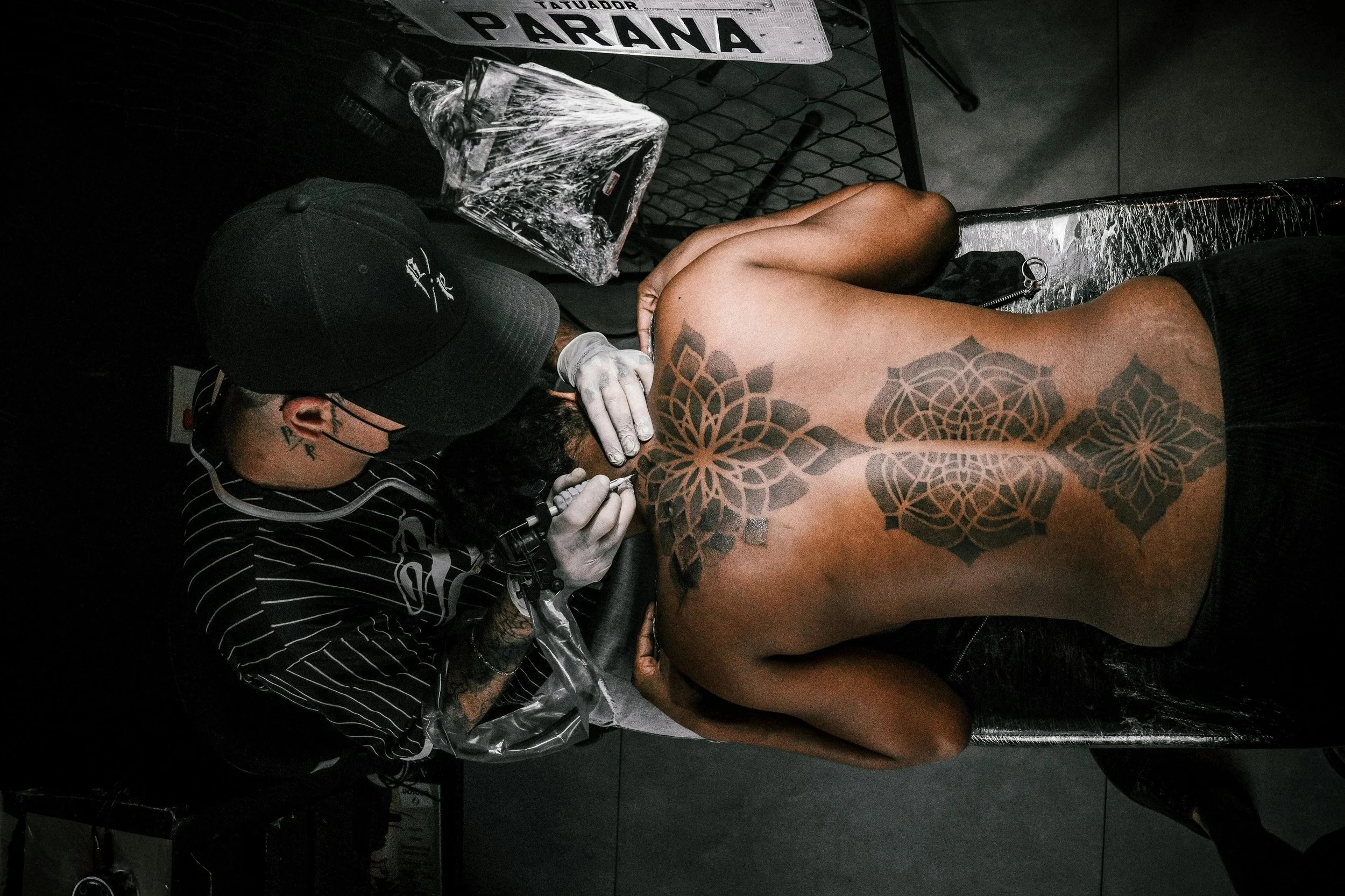
A Holistic View of Readiness
At Tatu Amor, we approach tattooing as a holistic experience. It’s not just about the skin, it’s about the nervous system, stress levels, immune response, and long-term well-being.
Sometimes the most empowered decision is waiting until your body is better supported, or choosing a different way to mark a meaningful moment in your life. Tattoos are permanent, but your health is foundational.
So, can you get a tattoo on blood thinners? In some cases, yes, but only with medical approval, transparent communication, and an artist who practices with integrity.
Tattooing should never come at the cost of your safety. A responsible artist will respect boundaries, and a responsible client will honor their body’s needs.
When in doubt, slow down, ask questions, and prioritize your well-being. The right tattoo, at the right time, will always be worth the wait. If you’d like to learn more about other topics such as if you can put polysporin on a tattoo, or how old do you have to be to get a tattoo, check out our blog!