

When Can You Put Sunscreen on a Tattoo

Sun exposure is one of the biggest factors affecting how a tattoo heals, and how it looks years down the line. Yet one of the most common questions artists hear is also one of the most misunderstood:
When can you put sunscreen on a tattoo?
The answer depends on where your tattoo is in the healing process. Applying sunscreen too early can interfere with healing, while applying it too late (or not at all) can lead to fading, discoloration, and long-term skin damage.
At Tatu Amor, we believe tattoo care is about longevity, not shortcuts. This guide will walk you through when it’s safe to use sunscreen on a tattoo, why timing matters, and how to protect your ink without compromising your skin.
Why Sun Protection Matters for Tattoos
Tattoo ink lives in the dermis, the layer of skin beneath the surface. While this gives tattoos their permanence, it also means they’re vulnerable to ultraviolet (UV) radiation.
Sun exposure can:
Break down tattoo pigments over time
Cause fading and loss of contrast
Lead to discoloration, especially in lighter or brighter inks
Damage the surrounding skin, affecting how the tattoo ages
Fresh tattoos are even more sensitive. During healing, your skin is essentially an open wound, working hard to regenerate and protect itself. Adding sunscreen too early can disrupt that process.
Why You Shouldn’t Use Sunscreen on a Fresh Tattoo
Sunscreen is designed for intact skin, not broken or healing skin. Applying it too early can cause several issues.
Fresh tattoos are vulnerable to irritation and infection. Sunscreen contains active ingredients, fragrances, and preservatives that can clog pores or trigger reactions when applied to healing tissue.
Using sunscreen too soon may:
Trap bacteria against the skin
Cause irritation or inflammation
Interfere with proper scab or peel formation
Slow down the healing process
Increase the risk of infection

The Short Answer: When Is It Safe to Put Sunscreen on a Tattoo?
You should not apply sunscreen to a tattoo until it is fully healed.
For most people, this means waiting about 3 to 4 weeks, though healing times can vary depending on the size, placement, saturation, and your individual body.
A tattoo is considered healed on the surface when:
There are no open areas
The skin is no longer peeling or scabbing
The tattoo feels smooth, not raw or tender
There is no oozing, cracking, or sensitivity
Until then, sunscreen should stay off the tattooed area.
How to Protect a Fresh Tattoo From the Sun (Without Sunscreen)
Just because you can’t use sunscreen right away doesn’t mean your tattoo should be exposed to the sun.
During the healing phase, the best protection is avoidance and coverage.
Keeping your tattoo out of direct sunlight is critical for the first few weeks. If you need to be outdoors, wear loose, breathable clothing that fully covers the tattoo. Choose fabrics that don’t rub or trap moisture, as friction and sweat can also irritate healing skin.
Shade is your friend. If you can’t cover the tattoo easily, limit sun exposure as much as possible until healing is complete.
Understanding the Tattoo Healing Timeline
To know when sunscreen is safe, it helps to understand the basic stages of tattoo healing.
In the first few days, the tattoo is fresh and open. The skin may feel warm, swollen, or tender, and plasma or ink residue may appear. This is not the time for sunscreen, or sun exposure at all.
Over the next one to two weeks, the tattoo will begin to peel and flake. This stage can feel itchy or tight, and while the surface may look intact at times, the skin is still healing underneath.
By weeks three to four, the surface of the skin usually appears healed. However, deeper layers are still regenerating. This is typically the earliest point at which sunscreen can be safely introduced.
Healing doesn’t stop at the surface. Full skin regeneration can take several months, which is why sun protection remains important long after the tattoo looks “done.”
How to Tell If Your Tattoo Is Ready for Sunscreen
Rather than relying only on the calendar, pay attention to how your tattoo feels and behaves.
A tattoo that’s ready for sunscreen will no longer be peeling or scabbing. The skin should feel similar to the surrounding area, with no sensitivity, cracking, or raised texture.
If the tattoo still feels tender, shiny, or itchy, it’s likely still healing, and sunscreen should wait.
When in doubt, give it more time. Waiting an extra week is far safer than applying sunscreen too early.
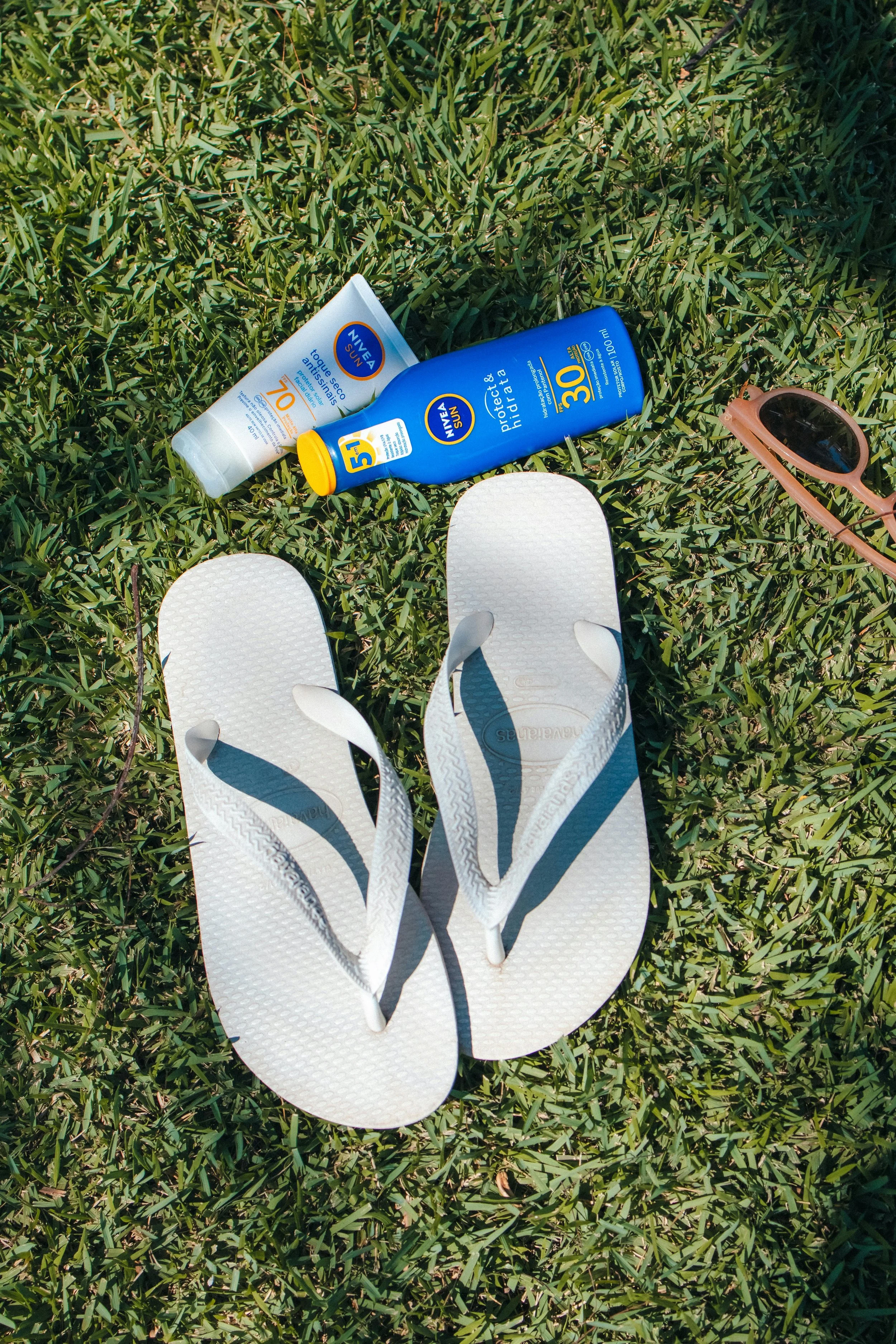
Once your tattoo is fully healed, sunscreen becomes one of the most important tools for preserving its quality.
Look for a broad-spectrum sunscreen with at least SPF 30, though SPF 50 is often recommended for tattoos exposed to frequent sun.
Fragrance-free formulas are generally better, especially for sensitive skin. Many people prefer mineral sunscreens that use zinc oxide or titanium dioxide, as these sit on top of the skin rather than being absorbed.
Whatever you choose, consistency matters more than brand. Sunscreen should be applied generously and reapplied regularly when exposed to sunlight.
Choosing the Right Sunscreen for Tattoos

How Sun Exposure Affects Tattoo Aging
Even healed tattoos are affected by UV exposure. Over time, sun damage can cause tattoos to lose sharpness and vibrancy, particularly in areas that see frequent sun, such as arms, hands, neck, and legs.
Black and grey tattoos may soften or fade to a lighter tone. Color tattoos can lose brightness or shift in hue. Skin texture can also change with prolonged sun damage, affecting how the tattoo sits in the skin.
Using sunscreen isn’t just about protecting the tattoo, it’s about protecting your skin as a whole.
Common Myths About Sunscreen and Tattoos
One common myth is that once a tattoo is healed, sunscreen is optional. In reality, consistent sun protection is one of the best ways to preserve tattoo quality long-term.
Another misconception is that tanning helps tattoos “set” or look better. In truth, tanning damages the skin and accelerates fading.
There’s also a belief that darker skin tones don’t need sunscreen. While melanin does provide some natural protection, UV damage still occurs and can still affect tattoo longevity
A Holistic View of Tattoo Care
At Tatu Amor, we approach tattoo care as part of a larger relationship with your body. Skin health, hydration, stress levels, and nervous system regulation all influence how tattoos heal and age.
Sunscreen is one piece of a bigger picture. Supporting your skin with rest, hydration, and mindful care helps your tattoos remain vibrant and aligned with your long-term well-being.
Tattooing is permanent, but how it ages is shaped by daily choices.
When to Ask Your Artist for Guidance
If you’re unsure whether your tattoo is healed enough for sunscreen, your tattoo artist is the best first resource. Ethical artists want their work to heal well and last, and they’re usually happy to answer aftercare questions.
If you experience unusual reactions after applying sunscreen to a healed tattoo, stop using the product and consult a healthcare professional.
So, when can you put sunscreen on a tattoo?
For most people, the answer is once the tattoo is fully healed, typically around 3 to 4 weeks after getting tattooed. Until then, protect your tattoo with clothing, shade, and limited sun exposure.
Once healed, sunscreen becomes a vital part of tattoo care, helping preserve color, clarity, and skin health for years to come.
Respect the healing process. Protect your skin. And remember, great tattoos aren’t just created in the studio. They’re cared for over a lifetime.