

Can You Get in the Pool After Getting a Tattoo
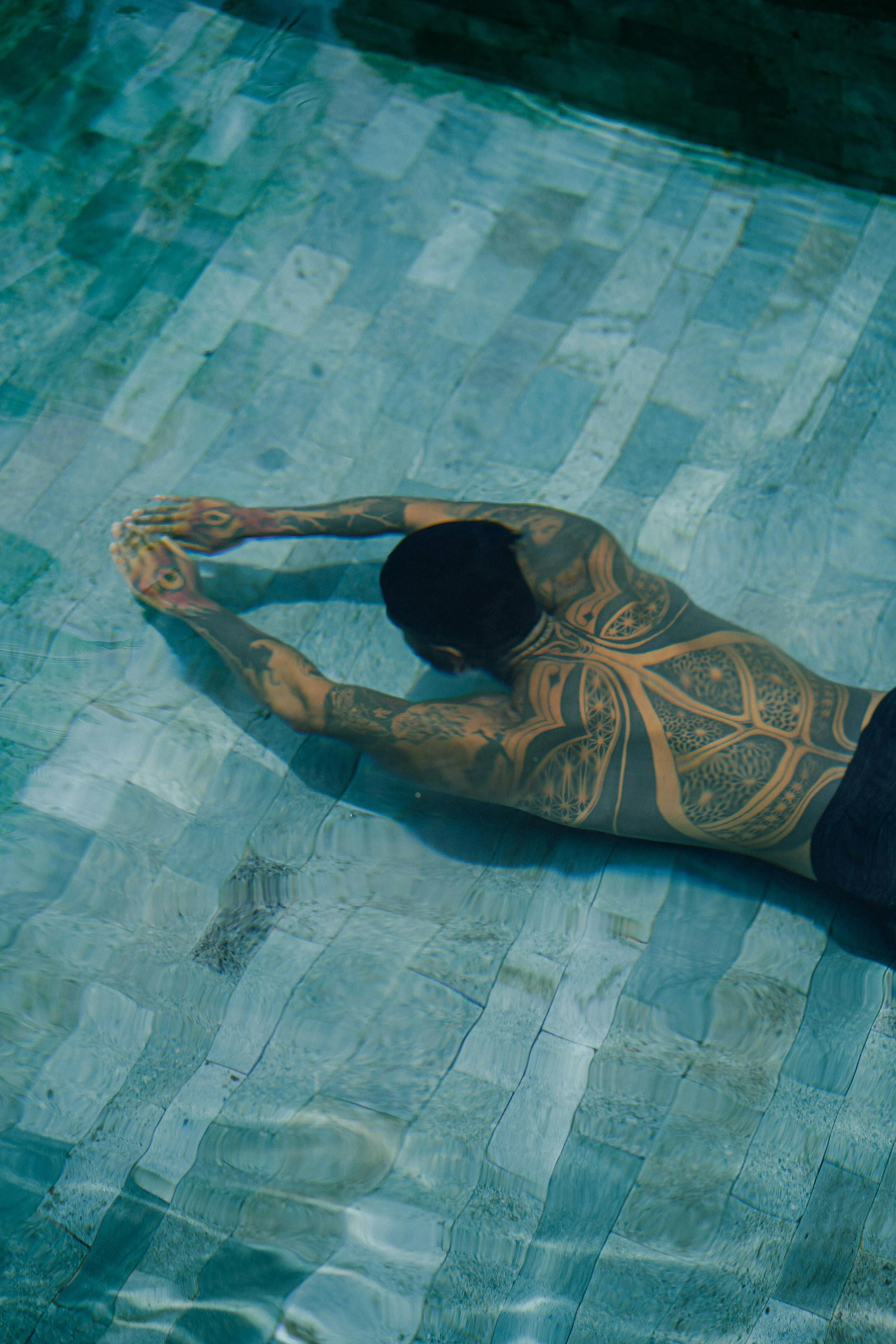
Few things sound better than jumping into a pool, especially after a long tattoo session. But one of the most common and important aftercare questions is also one of the most misunderstood:
Can you get in the pool after getting a tattoo?
The short answer is no, not until your tattoo is fully healed. While that may be disappointing, there are important reasons behind it, and understanding them can make the difference between a tattoo that heals beautifully and one that struggles.
At Tatu Amor, we believe aftercare is about protecting your body and your art, not rushing the process. This guide explains why pools are risky for fresh tattoos, how long you should wait before swimming, and how to protect your ink during healing.
Why Pool Water Is a Problem for Fresh Tattoos
A new tattoo is an open wound. Even when it looks calm on the surface, your skin is actively repairing itself beneath the top layer. During this time, it’s especially vulnerable to bacteria, chemicals, and prolonged moisture.
Swimming pools contain chlorine and other disinfectants designed to kill bacteria, but those same chemicals can be harsh on healing skin. Chlorine can dry out the tattoo, irritate the wound, and interfere with proper healing.
Public and shared pools also pose an additional risk: bacteria introduced by swimmers. Even well-maintained pools can harbor microorganisms that increase the risk of infection when they come into contact with open skin.
In short, pools and fresh tattoos don’t mix.
Why Even “Quick Dips” Aren’t Safe
A common misconception is that a short swim won’t cause harm. Unfortunately, even brief submersion can be enough to introduce bacteria or irritate healing skin.
Water exposure softens the skin, making it easier for contaminants to enter the tattooed area. Prolonged moisture can also interfere with the skin’s natural healing barrier, increasing the chance of complications.
There’s no such thing as a “safe” swim with a fresh tattoo, even if it’s just for a few minutes.
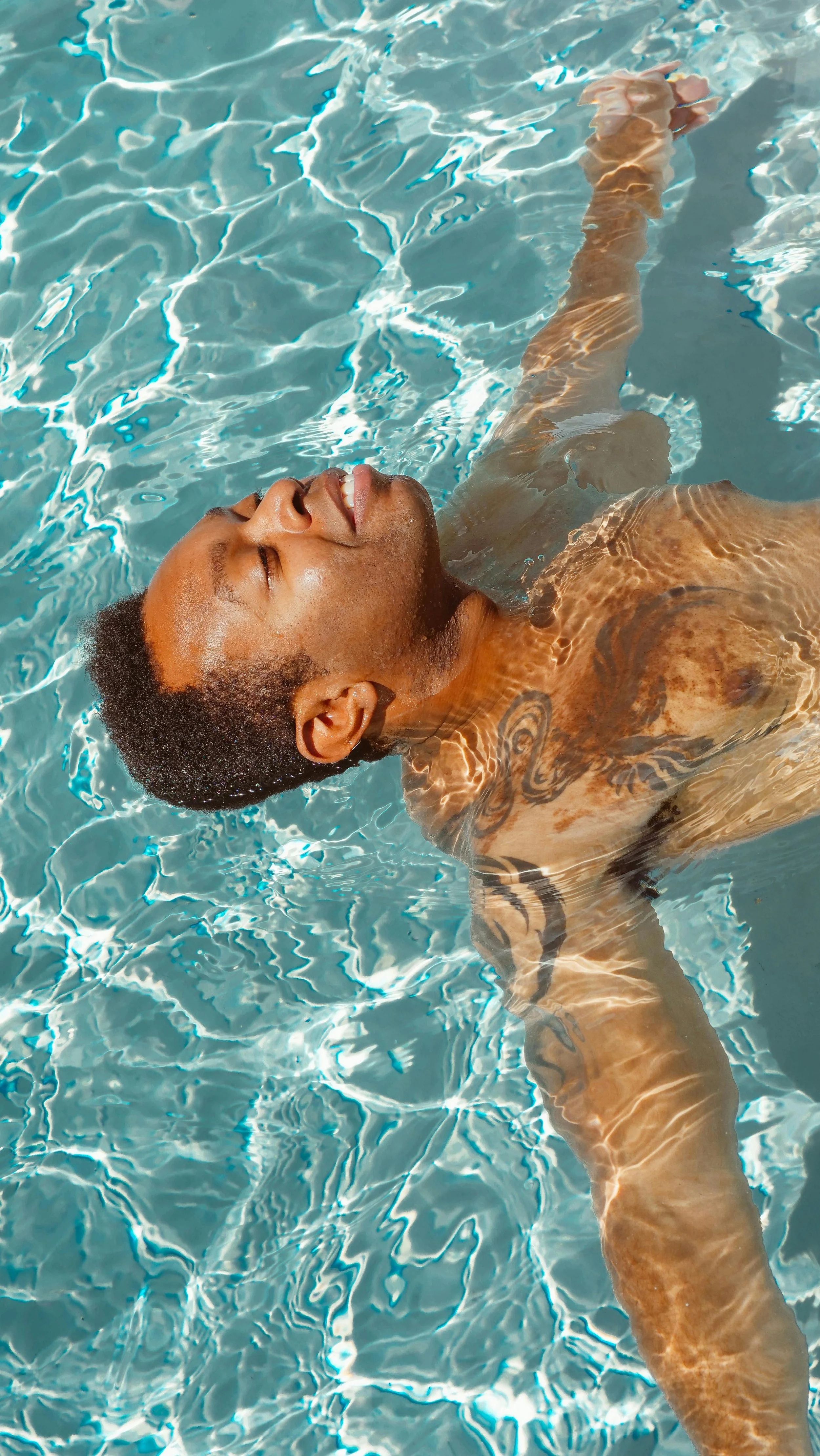
How Long Should You Wait Before Getting in a Pool?
Most professional tattoo artists recommend waiting at least 2 to 4 weeks before swimming in a pool. This timeframe allows the tattoo to heal on the surface and significantly reduces the risk of infection or damage.
However, healing time isn’t the same for everyone. Factors such as tattoo size, placement, saturation, your overall health, and how closely you follow aftercare instructions all influence how quickly your skin recovers.
A tattoo is generally considered safe for swimming once:
The skin is fully closed
There are no scabs or peeling
The area feels smooth, not tender or raw
There is no redness, swelling, or oozing
If your tattoo hasn’t reached this stage, it’s best to stay out of the pool.
What About Saltwater Pools?
Saltwater pools are sometimes perceived as gentler, but they still pose risks. While they contain less chlorine, they still rely on sanitation systems and shared water.
Salt itself can be drying and irritating to healing skin, and saltwater pools are not sterile environments. The same general rule applies: avoid swimming until the tattoo is fully healed.
Can Second Skin Protect a Tattoo in the Pool?
Second skin bandages are waterproof, but they are not designed for swimming.
While second skin can protect a tattoo during short showers, prolonged submersion puts stress on the adhesive seal. Water pressure, movement, and heat can cause the edges to lift, allowing water and bacteria to seep underneath.
Once water gets trapped under second skin, it creates the perfect environment for bacterial growth, making infection more likely.
Second skin should never be used as a workaround for swimming with a fresh tattoo.
Pools vs. Other Bodies of Water
It’s worth noting that pools are actually one of the safer water environments compared to lakes, rivers, or oceans, but that doesn’t make them safe for fresh tattoos.
Natural bodies of water contain unpredictable bacteria, parasites, and pollutants. Hot tubs add heat and chemical exposure to the mix, further increasing risk.
The safest option during healing is to avoid all forms of soaking until the tattoo is fully healed.
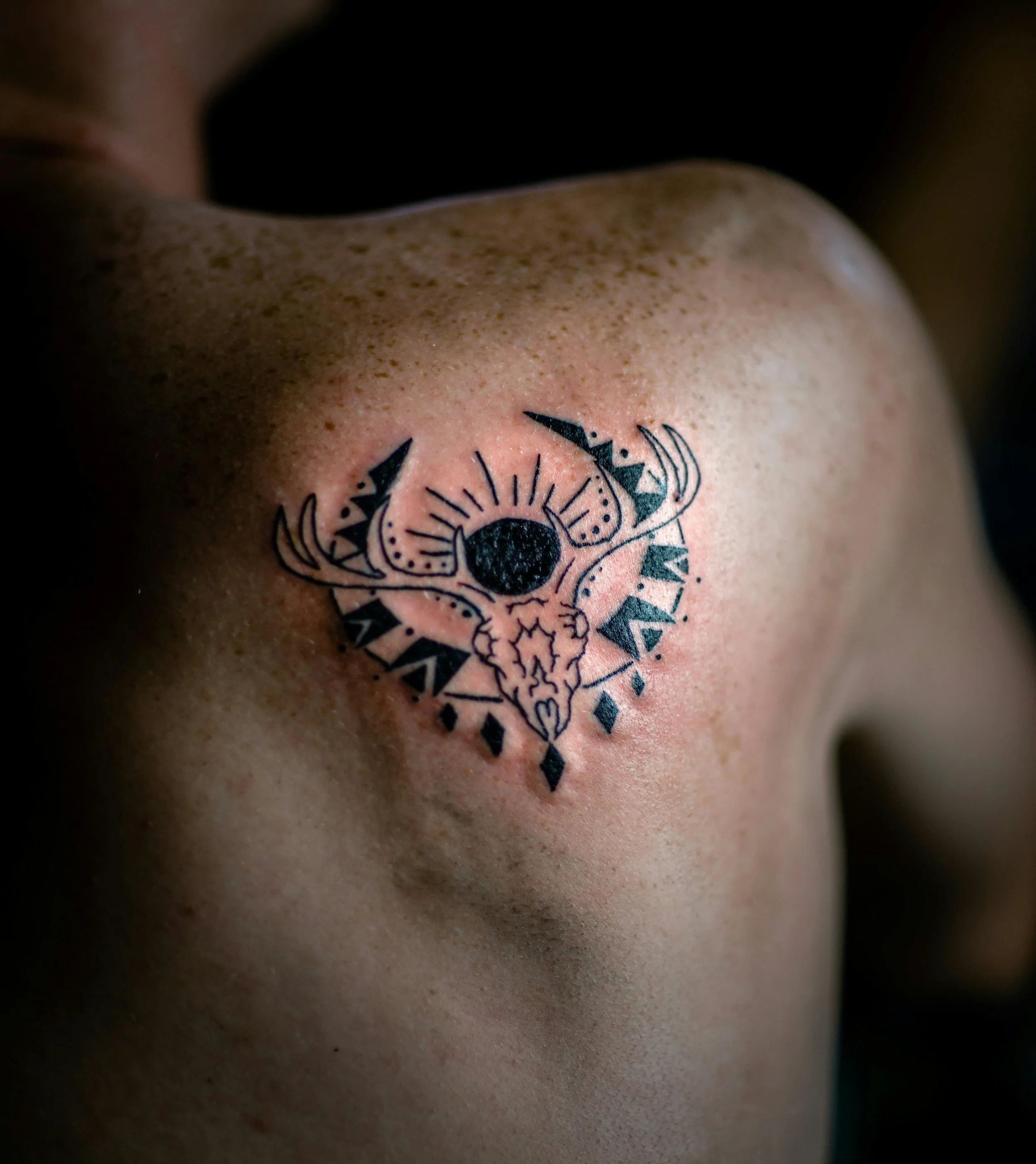
What Happens If You Swim Too Soon?
Swimming too early can lead to a range of issues, from mild irritation to serious complications.
Some possible outcomes include increased redness, prolonged healing, excessive scabbing, ink loss, patchiness, or infection. Chlorine exposure can also dull tattoo pigment, especially in color tattoos, before the ink has fully settled.
In more severe cases, infections can require medical treatment and may permanently affect how the tattoo looks.
Waiting a few weeks is far easier than dealing with long-term damage.

How to Protect Your Tattoo If You’ll Be Around a Pool
If you’re attending a poolside event or vacationing somewhere warm, it’s important to plan ahead.
Keep your tattoo fully covered with loose, breathable clothing and avoid splashing or accidental contact with water. Staying in the shade helps reduce both sun exposure and temptation.
If being around water feels unavoidable, consider postponing your tattoo appointment until after your trip. Timing matters when it comes to healing.

Once You’re Healed: Swimming and Tattoos
Once your tattoo is fully healed, swimming is generally safe. At that point, sunscreen becomes an important part of tattoo care, especially for outdoor pools where UV exposure is a factor.
Applying a broad-spectrum sunscreen to healed tattoos helps preserve color and clarity over time. Rinsing your skin with clean water after swimming and moisturizing afterward can also support long-term skin health.
Even healed tattoos benefit from thoughtful care.
Common Myths About Swimming and Tattoos
One common myth is that chlorine “cleans” a tattoo. While chlorine disinfects pool water, it doesn’t sterilize wounds, and it can actually irritate healing skin.
Another misconception is that if a tattoo looks healed, it’s ready for swimming. Surface healing happens before deeper layers fully recover, which is why waiting the full healing period matters.
There’s also a belief that covering a tattoo with plastic wrap or waterproof tape makes swimming safe. These methods trap moisture and bacteria and should never be used for submersion.
A Holistic View of Tattoo Healing
At Tatu Amor, we see tattoo healing as a collaboration between body, environment, and care choices. Water exposure, stress, sleep, nutrition, and nervous system regulation all influence how your tattoo heals.
Swimming too soon adds unnecessary stress to a system that’s already working hard to repair itself. Giving your body time to heal fully isn’t restrictive, it’s supportive.
Tattoo aftercare isn’t about perfection. It’s about patience.
When to Ask Your Artist or Seek Help
If you accidentally expose your tattoo to pool water during healing, gently clean it as instructed and monitor it closely. Reach out to your tattoo artist if you notice irritation, unusual redness, or changes in healing.
If signs of infection appear, such as increasing pain, heat, swelling, or discharge, seek medical attention promptly.
Early intervention protects both your health and your tattoo.
So, can you get in the pool after getting a tattoo?
For most people, the answer is not until the tattoo is fully healed, typically 2 to 4 weeks. Pools, even clean ones, pose risks that aren’t worth taking during the healing phase.
Your tattoo is an investment in your body and your story. Protecting it in the early weeks helps ensure it lasts beautifully for years to come.
When it comes to swimming after a tattoo, the safest move is simple: wait, heal, and then dive in.