

Can You Tattoo Over Stretch Marks?
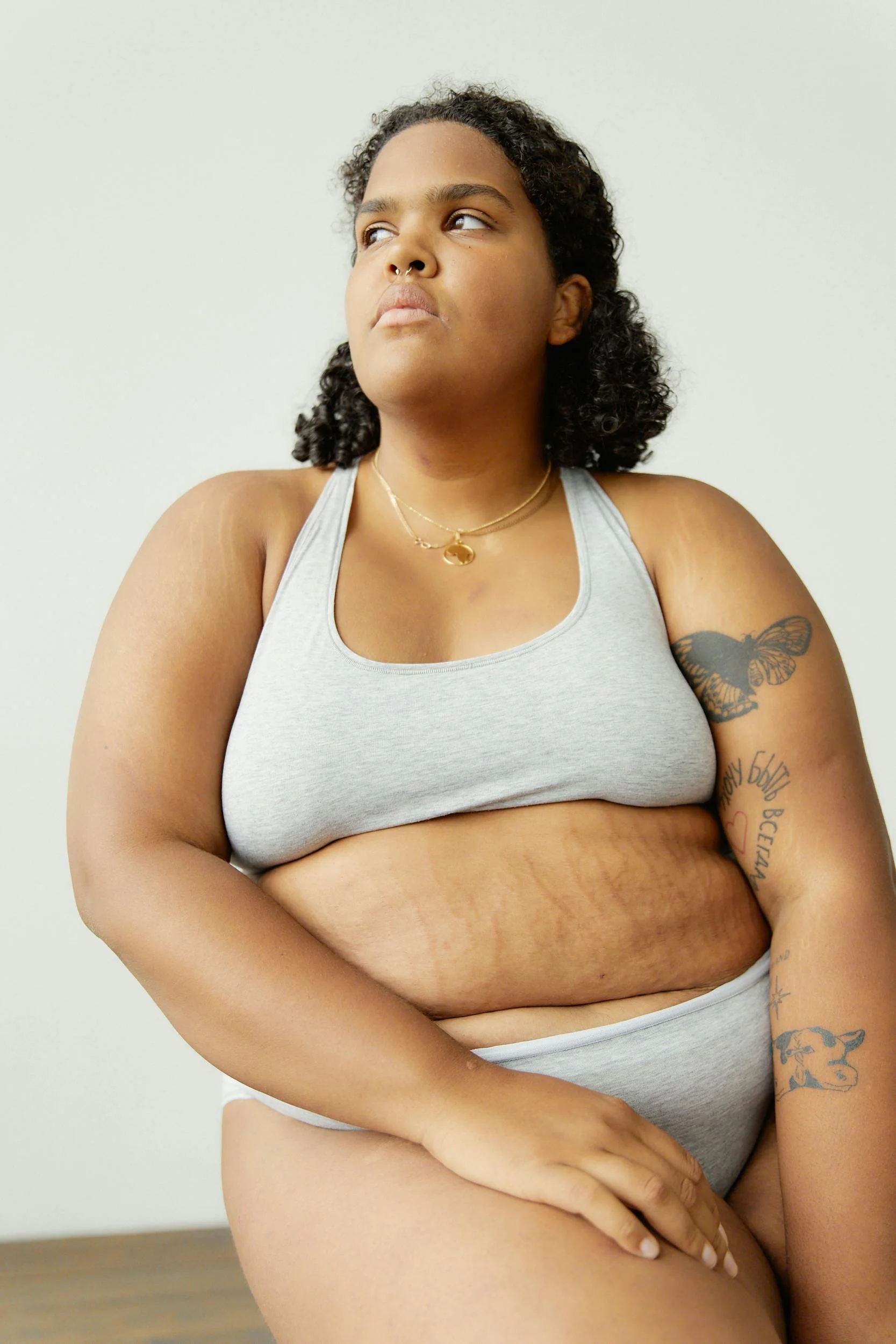
Stretch marks are a normal part of many bodies, and one of the most common reasons people consider getting tattooed. Whether they come from growth, weight changes, pregnancy, muscle gain, or hormonal shifts, stretch marks often carry personal stories. Naturally, many people ask:
Can you tattoo over stretch marks?
The short answer is yes, in many cases. But tattooing over stretch marks is more nuanced than tattooing over unaffected skin. It requires thoughtful timing, realistic expectations, and an experienced artist who understands how scarred or altered skin behaves.
At Tatu Amor, we believe tattoos should honor the body you’re in, not fight against it. This guide will help you understand when tattooing over stretch marks is possible, what affects the outcome, and how to approach the process responsibly.
What Stretch Marks Actually Are
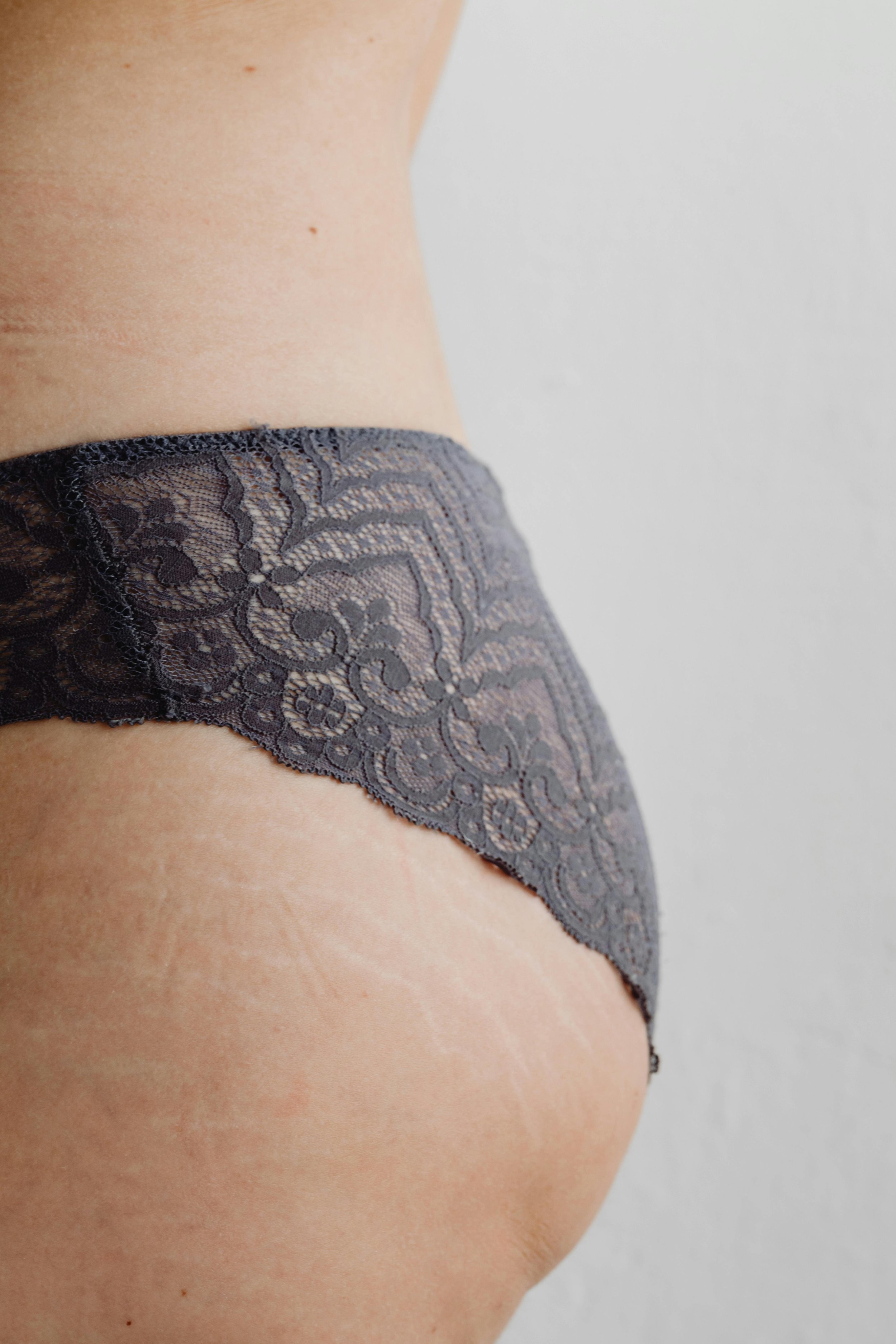
Stretch marks, medically known as striae, occur when the skin stretches faster than it can adapt. This rapid stretching causes small tears in the dermis, the same layer of skin where tattoo ink lives.
In their early stage, stretch marks often appear red, purple, or pink. Over time, they usually fade to lighter tones, white, silver, or skin-colored, depending on skin tone and healing patterns.
Because stretch marks involve structural changes to the skin, they behave differently under tattoo needles than unaltered skin. This doesn’t mean tattooing over them is impossible, but it does mean the skin must be approached with care and skill.
Is It Safe to Tattoo Over Stretch Marks?
In many cases, yes, as long as the stretch marks are fully healed and mature.
Fresh or inflamed stretch marks should not be tattooed. These are still actively changing and may be more fragile, sensitive, or unpredictable. Tattooing over them too early can increase the risk of poor healing, ink migration, or uneven results.
Mature stretch marks, on the other hand, are generally stable. They’ve completed their healing process and are less likely to change significantly after tattooing. This is when tattooing is typically considered safest.
An experienced artist will assess the texture, elasticity, and age of the stretch marks before agreeing to tattoo the area.
How Stretch Marks Affect Tattooing
Tattooing over stretch marks isn’t the same as tattooing over untouched skin. Because the dermal structure has been altered, the skin may respond differently to needles and ink.
Stretch-marked skin can be thinner or more delicate in some areas, while feeling tougher or more fibrous in others. Ink may absorb unevenly, and line work can behave unpredictably if not approached carefully.
Healing may also vary. Some people heal beautifully with no issues, while others may experience longer healing times or require touch-ups.
This doesn’t mean the tattoo will look bad, it simply means the artist must work with the skin rather than forcing a design onto it.
Choosing the Right Timing
If your stretch marks are still red, purple, itchy, or actively changing, it’s usually best to wait. Tattooing over skin that’s still in flux increases the risk of distortion as the skin continues to evolve.
Most artists recommend waiting until stretch marks have faded and stabilized, which can take several months to a few years depending on the individual.
Patience matters here. Waiting for the skin to settle can make a significant difference in both safety and final appearance.
Will a Tattoo Hide Stretch Marks?
This is one of the most important questions to answer honestly.
A tattoo can camouflage or distract from stretch marks, but it will not erase them completely. Depending on lighting, movement, and skin texture, stretch marks may still be visible, especially in solid-color areas or large blocks of ink.
Design choice plays a major role here. Flowing designs, organic shapes, illustrative styles, and textures that move with the body tend to work best. Highly geometric designs or ultra-fine line work may highlight skin irregularities rather than disguise them.
A skilled artist will design around and with the stretch marks to create harmony rather than tension.
What Makes an Artist Qualified for This Work?
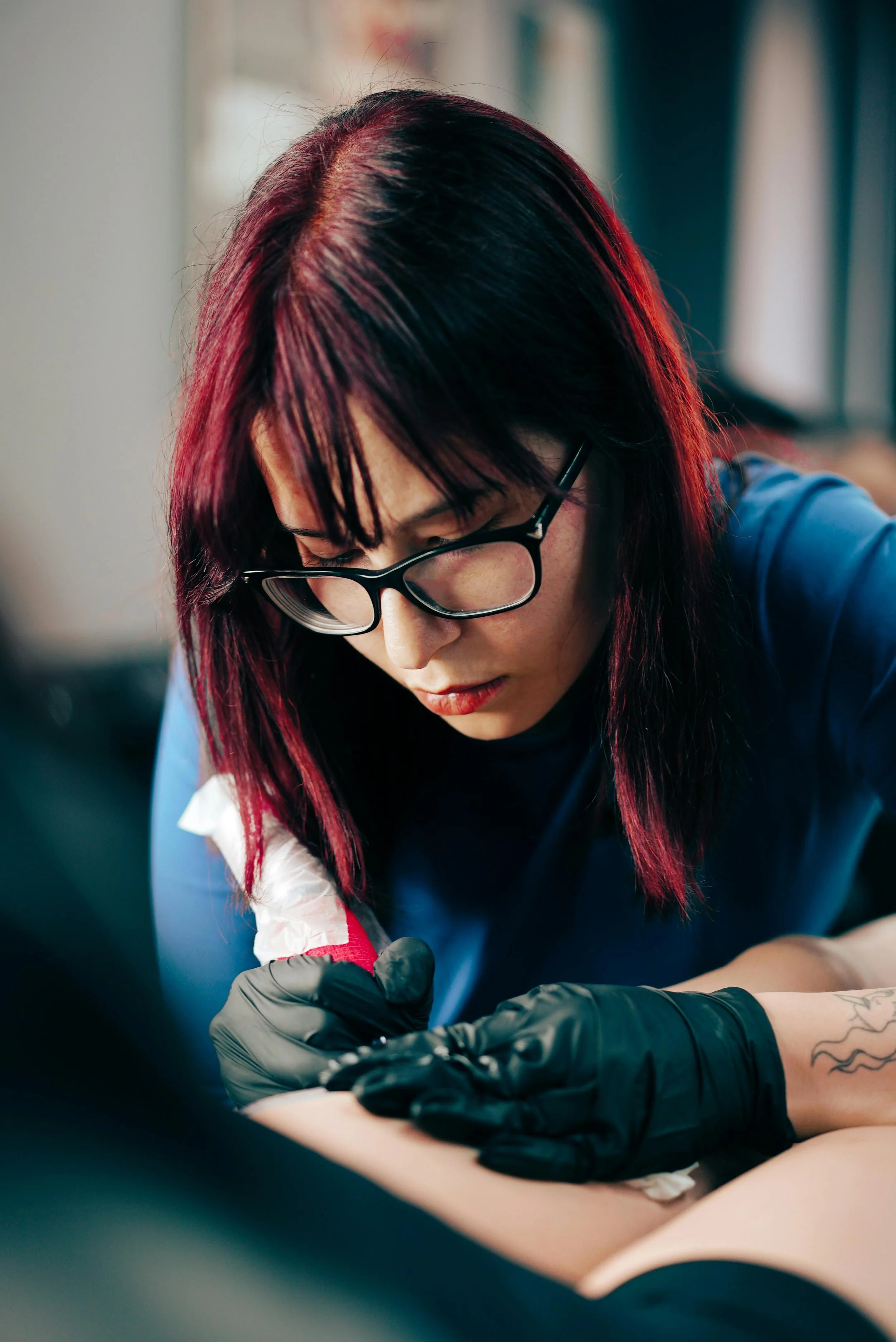
Not all tattoo artists are equally comfortable or experienced with stretch-marked skin, and that’s okay. What matters is finding someone who is honest about their experience and willing to work thoughtfully.
An artist qualified to tattoo over stretch marks will:
Take time to assess the skin in person
Be transparent about limitations and expectations
Adjust technique to suit the skin’s texture
Design specifically for the area, not force a pre-made idea
Be willing to say no if the skin isn’t ready
If an artist dismisses concerns or guarantees that stretch marks will completely disappear, that’s a red flag. Ethical tattooing is rooted in realism, not promises.
Pain and Sensation: What to Expect
Stretch-marked skin can feel different during tattooing. Some people experience increased sensitivity, while others feel less sensation in those areas.
Pain perception is highly individual, but it’s common for stretch marks to feel more intense or uneven under the needle. Communicating with your artist during the session is important, especially if the sensation changes.
Breaks, pacing, and nervous system regulation all matter when working with sensitive or altered skin.
Healing Considerations
Healing over stretch marks may take longer than average, though this isn’t always the case. Because the skin structure is different, it’s especially important to follow aftercare instructions closely.
Avoid tight clothing, friction, or excessive stretching of the area during healing. Keeping the skin supported, clean, and moisturized helps reduce stress on the tattoo.
Touch-ups are not uncommon when tattooing over stretch marks. This isn’t a failure, it’s part of working with complex skin and ensuring the best long-term result.
Emotional and Body Image Aspects
For many people, tattooing over stretch marks is deeply emotional. It can be an act of reclaiming the body, honoring transformation, or shifting the narrative around scars and change.
At Tatu Amor, we believe tattoos don’t need to “fix” the body to be meaningful. Sometimes the most powerful tattoos are the ones that coexist with stretch marks, not cover them completely.
Your body doesn’t need to be perfected to be worthy of art.
When Tattooing Over Stretch Marks May Not Be Recommended
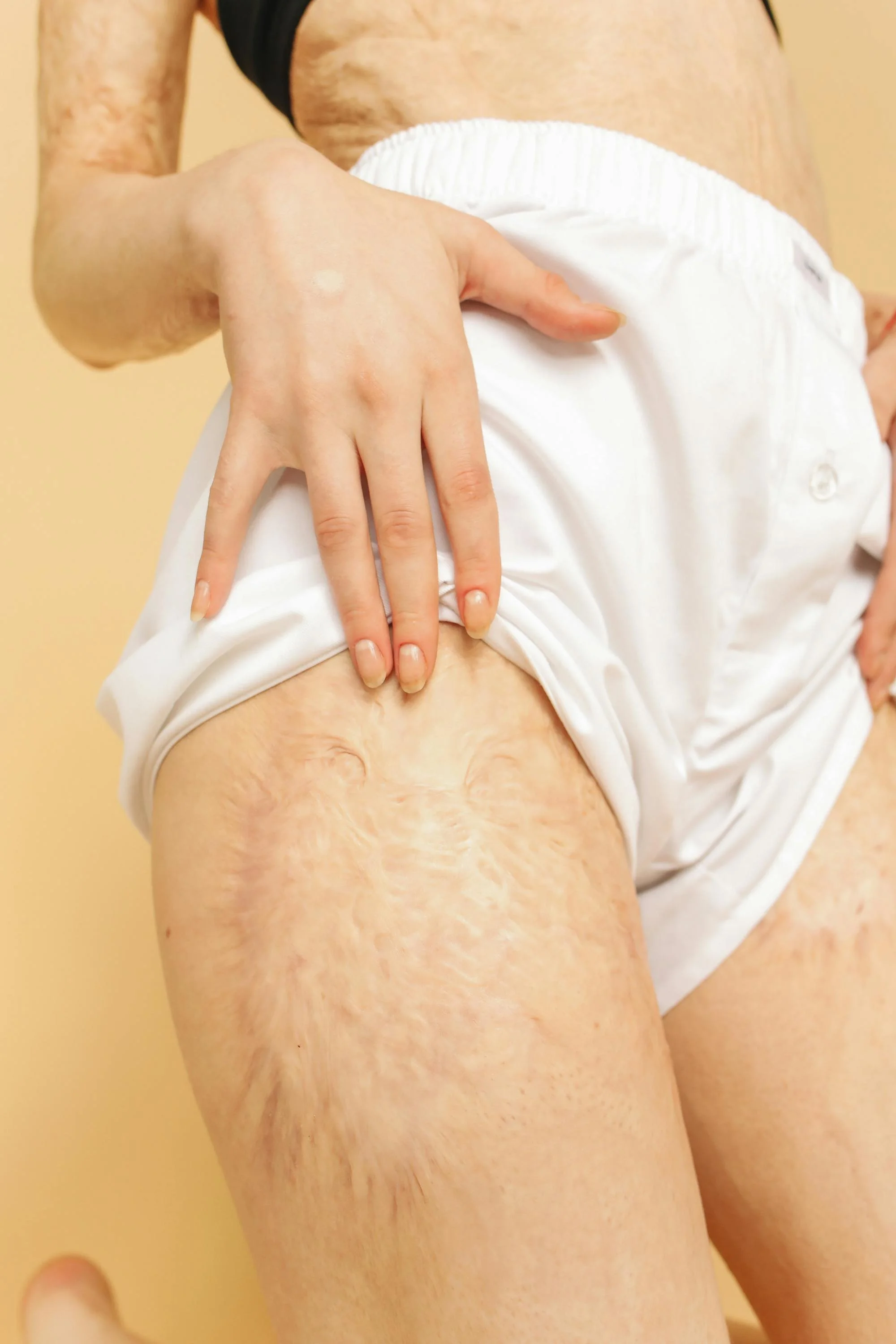
There are situations where tattooing over stretch marks may not be advised. This can include areas with extremely thin or damaged skin, recent surgical scars combined with stretch marks, or underlying medical conditions that affect skin healing.
If an artist advises against tattooing a specific area, it’s not a rejection, it’s a form of care. A responsible artist prioritizes long-term health over short-term results.
Sometimes alternative placements or design adjustments can still achieve the intention without compromising safety.
A Holistic View of Readiness
Skin health is influenced by more than time alone. Hydration, nutrition, stress levels, hormone balance, and nervous system regulation all play a role in how skin responds to tattooing.
Supporting your body before and after a tattoo can improve both healing and outcome. Stretch marks tell a story of adaptation, tattooing over them works best when approached with the same respect.
So, can you tattoo over stretch marks?
In many cases, yes, when the stretch marks are mature, the artist is experienced, and expectations are realistic. Tattooing over stretch marks is not about erasing the past, but about working thoughtfully with the body as it is now.
The best results come from collaboration, patience, and trust, trust in your body, trust in your artist, and trust in the process.
Stretch marks don’t disqualify you from beautiful tattoos. They simply invite a more intentional approach.