

How Long Do You Leave Second Skin on a Tattoo?
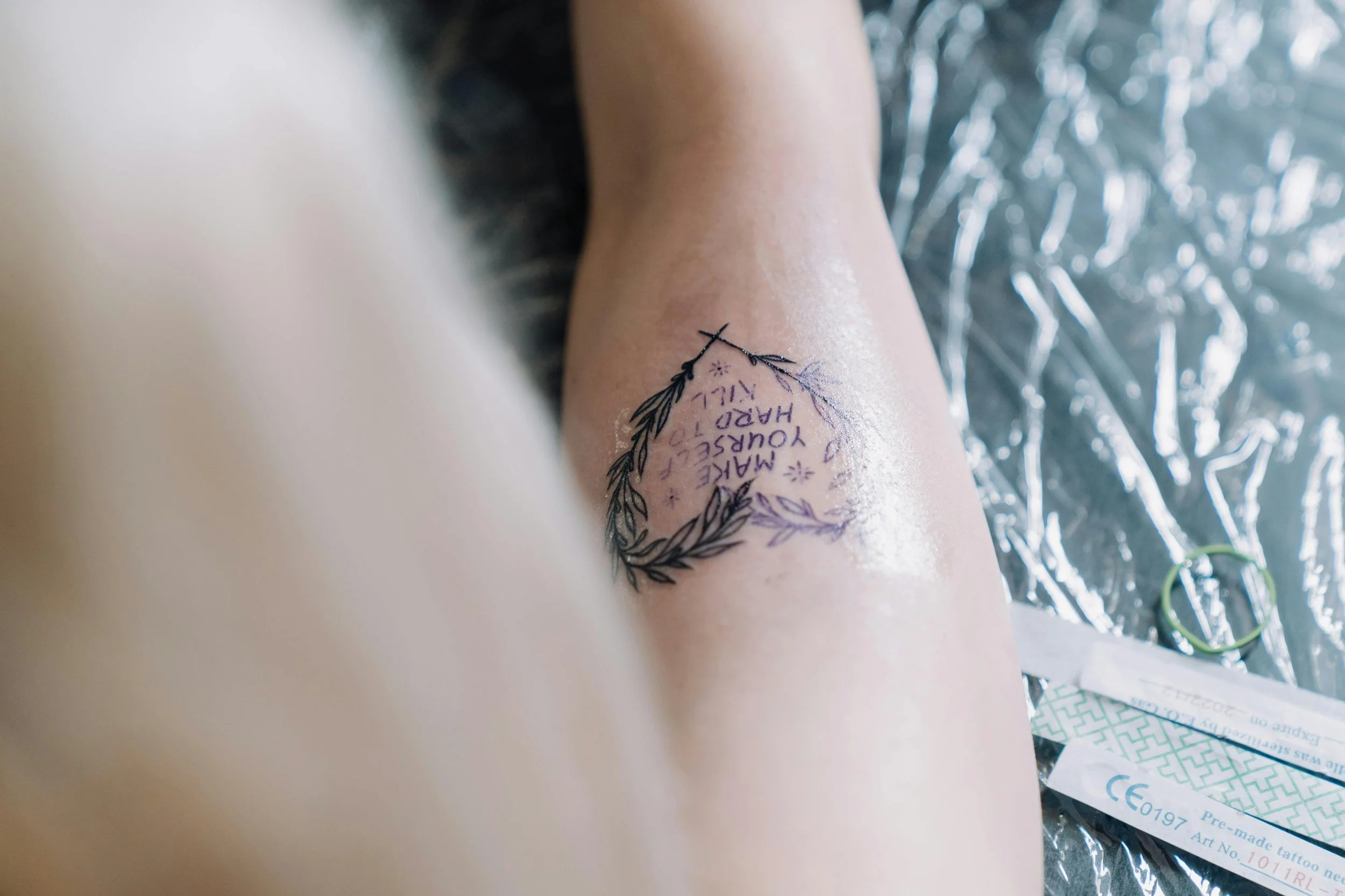
Second skin has become a popular aftercare option in modern tattooing, but it also brings a lot of confusion. Some people are told to remove it after a few hours, others after several days, and many aren’t sure what’s normal once fluid starts collecting underneath.
So how long do you actually leave the second skin on a tattoo?
The answer depends on timing, your body’s healing response, and how the tattoo is behaving, not on a single rigid rule. Understanding how second skin works will help you use it correctly and avoid common healing mistakes.
At Tatu Amor, we approach aftercare with education and body awareness, not fear or guesswork. This guide will walk you through what second skin does, how long to leave it on, and how to know when it’s time to remove it.
What Is Second Skin and Why Is It Used?
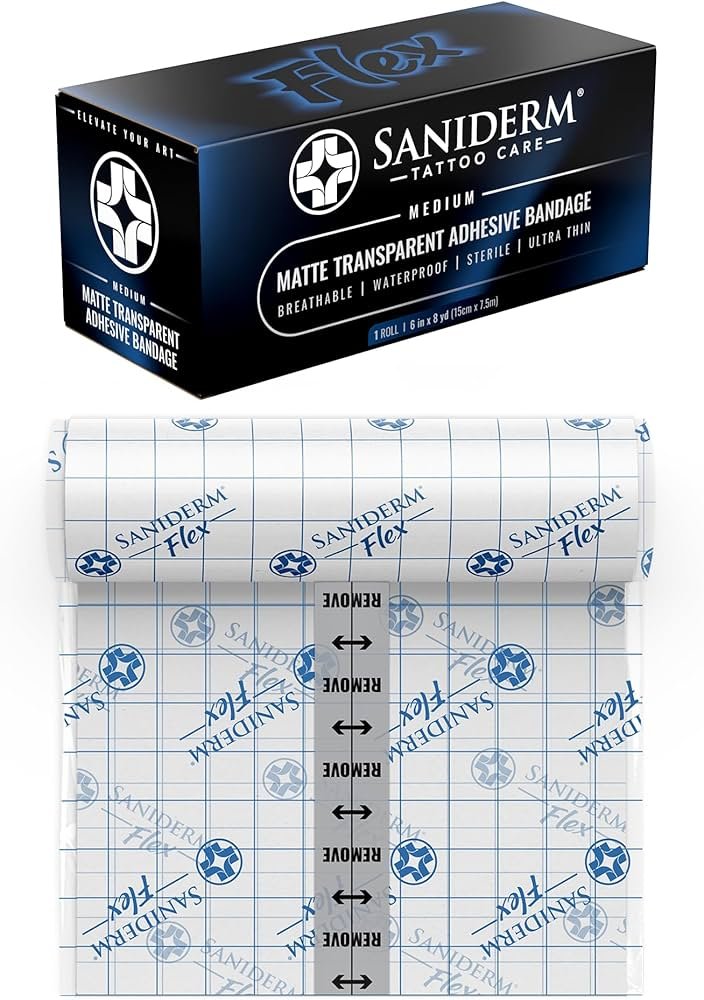
Second skin is a thin, flexible, medical-grade adhesive bandage designed to protect healing tattoos. You may recognize it under brand names like Saniderm, Derm Shield, or Recovery Derm. While brand formulas vary slightly, they all serve the same core purpose: to create a protective barrier over a fresh tattoo while still allowing the skin to breathe.
Unlike traditional plastic wrap or gauze, the second skin is semi-permeable. It keeps bacteria, dirt, and friction out while allowing oxygen and moisture vapor to pass through. This environment supports healing and reduces the chance of scabbing when used properly.
Many artists recommend second skin because it can minimize irritation, protect the tattoo during the most vulnerable early stage of healing, and make aftercare easier, especially for people with busy or physically active lifestyles.
The Short Answer: How Long Should You Leave Second Skin On?
In most cases, the second skin is worn in stages.
The first application is typically left on for 24 hours. During this time, it’s normal to see a mixture of plasma, ink, and fluid collecting underneath the bandage. While this can look alarming, it’s part of the body’s natural healing response.
After removing the first bandage, some artists recommend applying a second piece of second skin. This second application is usually worn for 3 to 5 days, depending on how your tattoo feels and how your body heals.
However, this timeline is not universal. Healing is individual, and your artist’s instructions should always take priority.
What Happens After You Remove the First Second Skin
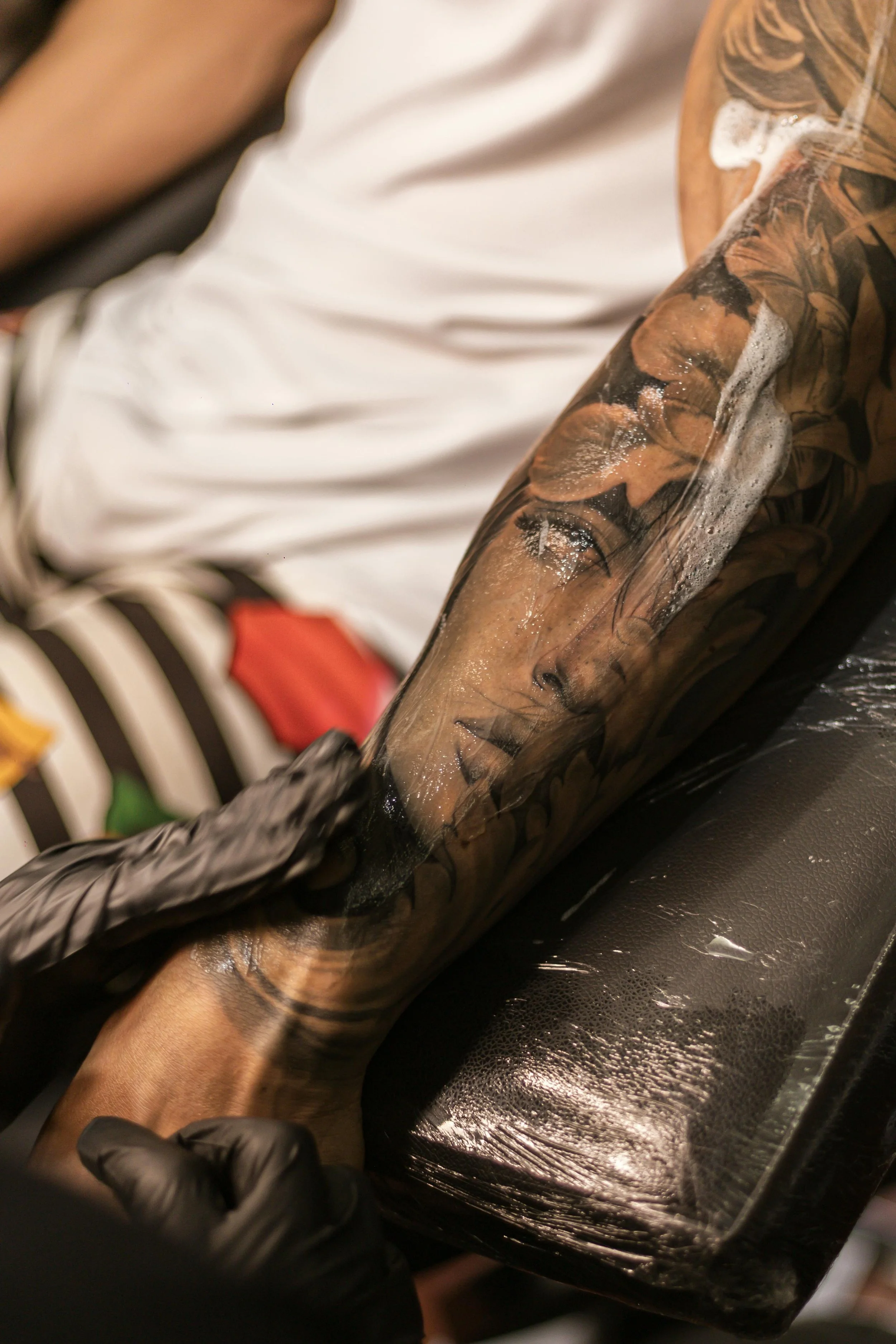
Once the first bandage is removed, usually after about 24 hours, the tattoo should be gently cleaned with lukewarm water and a fragrance-free cleanser. After allowing the skin to fully dry, a new piece of second skin may be applied if your artist has recommended it.
The second application supports the next phase of healing, when the skin begins to close and regenerate. During this stage, most people experience less fluid buildup and more stability in the skin.
This second bandage is commonly left on for several days, as long as it remains intact, comfortable, and free from irritation.
How Long Is Too Long?
Generally, you should not leave second skin on for longer than 5 to 7 days total, depending on the product and your artist’s guidance. Leaving it on too long can trap moisture, increase irritation, or cause the adhesive to become difficult to remove safely.
If the bandage feels tight, itchy, painful, or starts to cause redness beyond the tattooed area, it’s time to remove it, even if you haven’t reached the recommended time frame.
Healing should feel supported, not restricted.
Signs It’s Time to Remove Second Skin Early
While second skin is designed to stay on for days, there are situations where early removal is the safest option.
If the bandage leaks, develops holes, or peels back enough to expose the tattoo, it should be removed. A broken seal allows bacteria to enter and increases infection risk.
You should also remove the second skin if you experience a strong burning sensation, significant redness extending past the tattoo, or signs of an adhesive reaction. Some people have sensitivities to medical adhesives, and that reaction should never be pushed through.
Trust your body’s signals. Discomfort is not part of proper aftercare.
What If Your Artist Didn’t Use Second Skin?
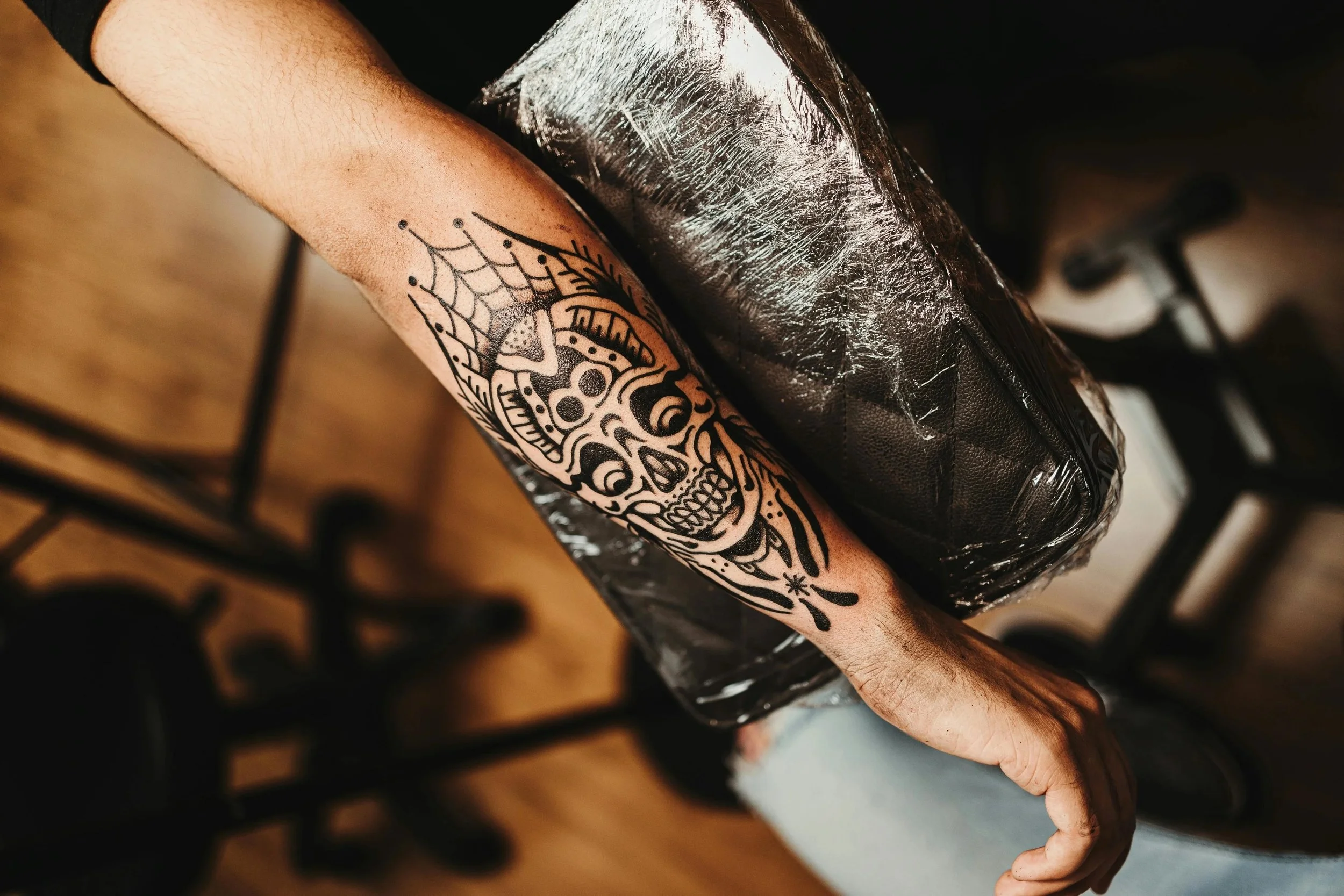
Not every tattoo or body type is suited for second skin, and that’s okay. Some artists prefer traditional healing methods, especially for highly saturated tattoos or areas that move a lot.
If second skin wasn’t applied, your artist likely provided alternative aftercare instructions. These methods can be just as effective when followed properly.
The most important factor isn’t the product, it’s consistency, cleanliness, and awareness during healing.
Common Myths About Second Skin
One common misconception is that more time equals better healing. In reality, leaving second skin on too long can cause more harm than good.
Another myth is that fluid buildup means something is wrong. Plasma accumulation is normal, especially during the first 24 hours. What matters is whether the seal remains intact.
There’s also a belief that second skin eliminates the need for aftercare. While it can simplify the process, proper cleaning and monitoring are still essential once the bandage is removed.
Aftercare Once Second Skin Comes Off
When the second skin is removed for good, your tattoo will enter the peeling and itching phase. At this point, gentle care is key.
Clean the tattoo as instructed, keep it lightly moisturized with a fragrance-free product, and avoid picking, scratching, or over-washing. The skin may flake or feel tight, but this is part of normal healing.
Avoid submerging the tattoo in water, exposing it to excessive sun, or wearing tight clothing that causes friction during this stage.
A Holistic Perspective on Healing
At Tatu Amor, we view tattoo healing as a full-body process. Stress levels, sleep, hydration, and nervous system regulation all affect how your skin heals.
Second skin is a tool, not a shortcut. When combined with rest, nourishment, and mindful aftercare, it can support a smoother healing experience.
Listening to your body and respecting its pace is just as important as following timelines.
When to Ask for Help
If you’re unsure whether your tattoo is healing properly, reach out to your tattoo artist first. A reputable artist would rather answer questions than have a client struggle in silence.
If you notice signs of infection or a severe reaction, seek medical attention promptly. Early intervention protects both your health and your tattoo.
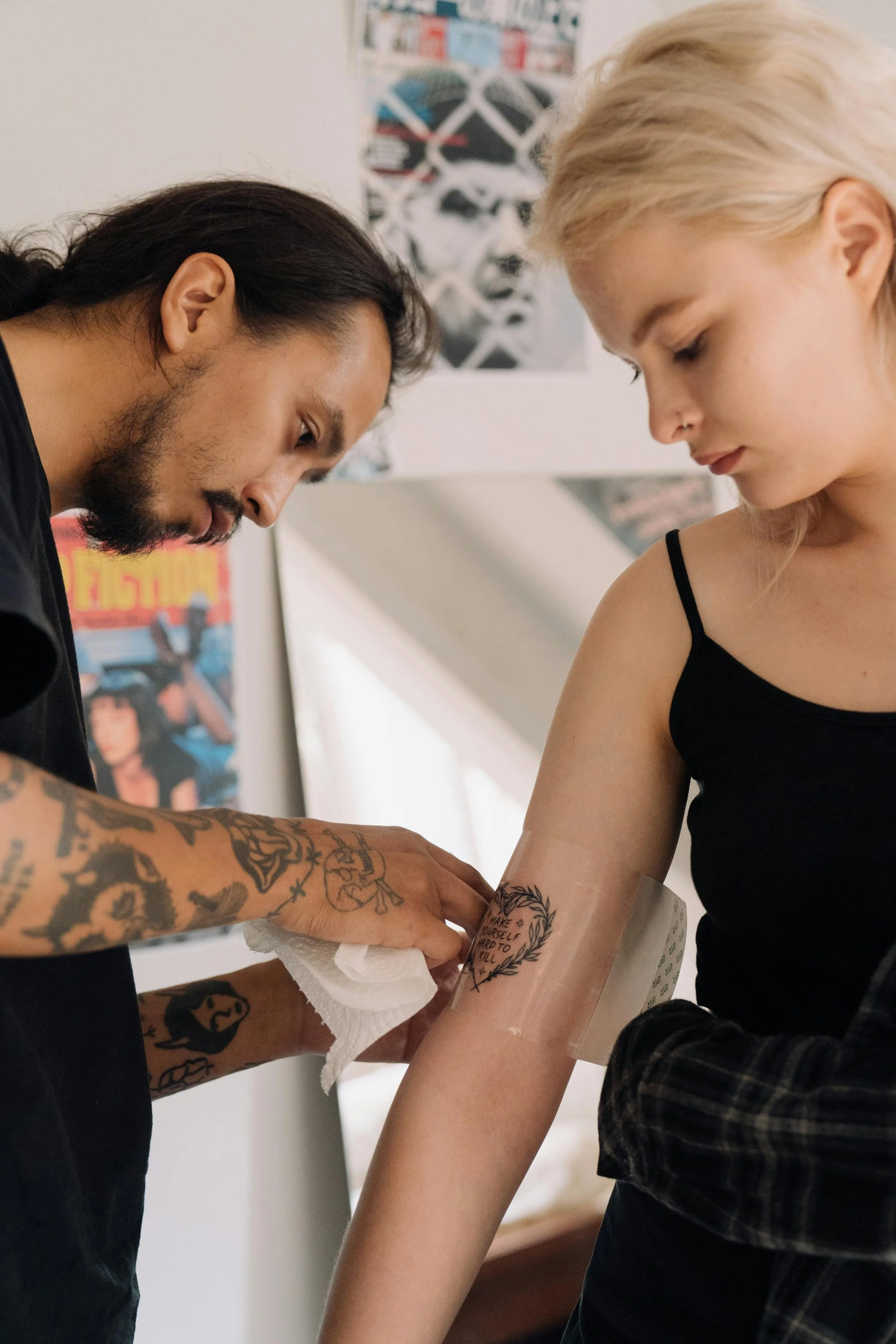
Why the First 24 Hours Matter Most
The first day after getting tattooed is when your skin produces the most plasma and fluid. Second skin helps contain this fluid, which can reduce scab formation and protect the open skin from bacteria.
If the bandage becomes overly full, leaks, or loses its seal during this time, it should be removed. A compromised seal can allow bacteria to enter, which defeats the purpose of using second skin.
It’s important to understand that fluid buildup alone is not a problem. Leakage, peeling edges, or exposure of the tattoo are the real concerns.
So, how long do you leave second skin on a tattoo?
For most people, the process looks like this: about 24 hours for the first application, followed by 3 to 5 days for the second, as long as the bandage remains sealed and comfortable.
But healing is personal. Your body, your tattoo, and your artist’s guidance matter more than any generalized rule.