

How to Prep for a Tattoo
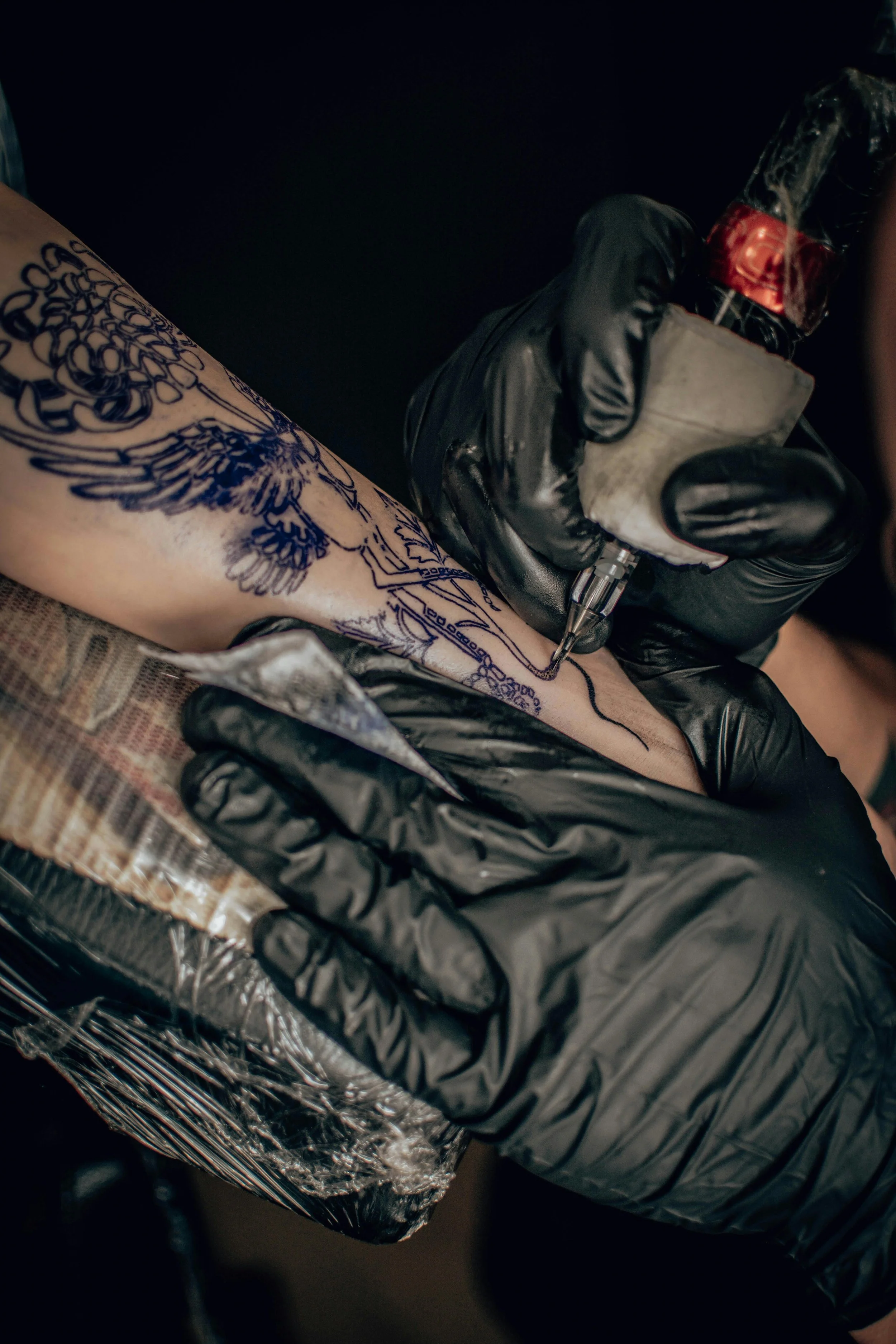
Getting a tattoo isn’t just about showing up and sitting through the appointment. How you prepare in the days and hours leading up to your session plays a major role in how your body handles the process, how well your tattoo heals, and how positive the overall experience feels.
Proper preparation supports your skin, your nervous system, and your ability to stay present during the session. It also helps your artist do their best work.
At Tatu Amor, we believe tattooing is a collaboration between artist and client, and preparation is part of that shared responsibility. This guide walks you through how to prep for a tattoo in a way that’s practical, grounded, and respectful of your body.
Why Tattoo Prep Matters More Than You Think
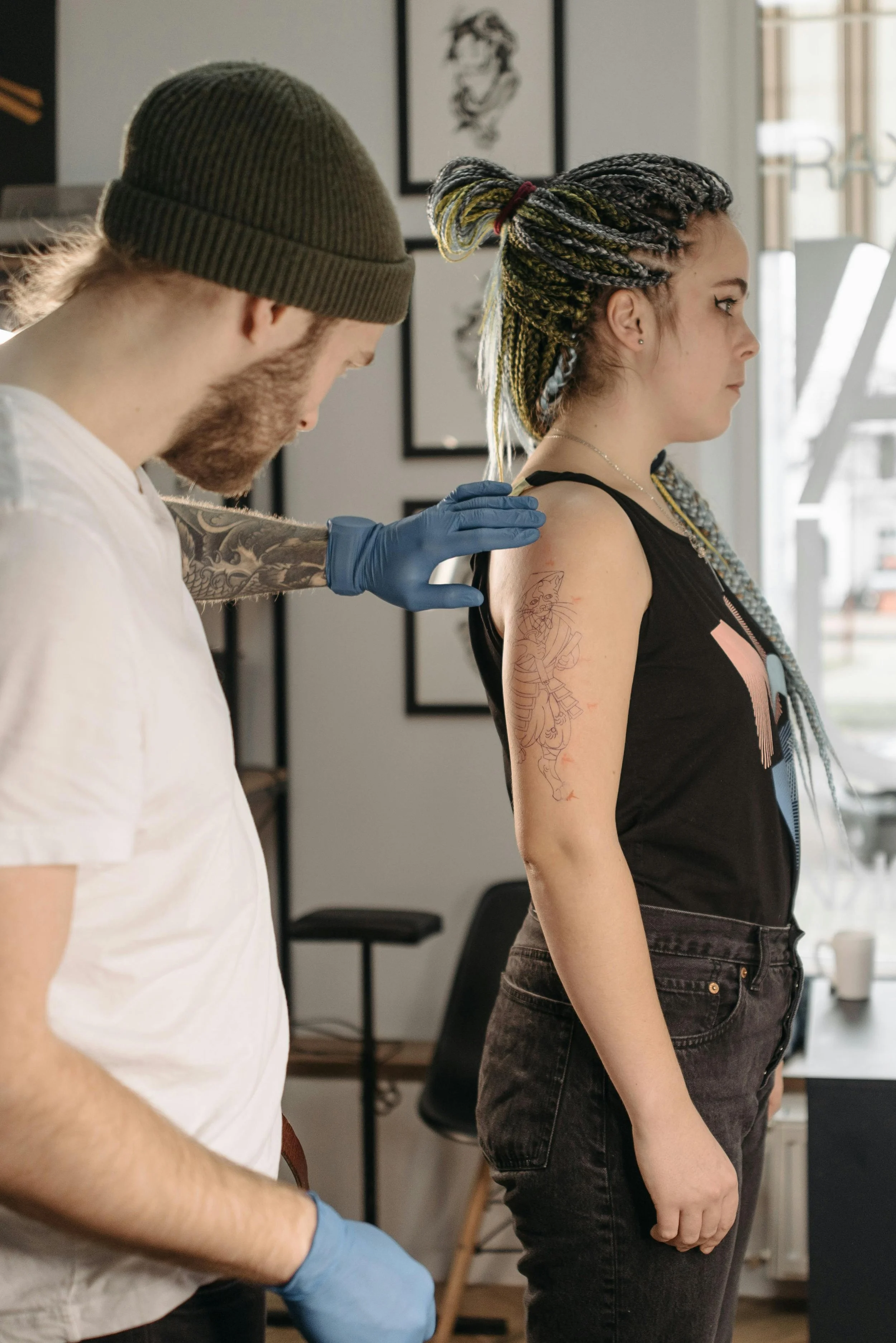
A tattoo is a controlled injury to the skin. While it’s intentional and artistic, your body still responds as it would to any wound, through inflammation, immune response, and healing.
When you’re underprepared, your body may be more sensitive, bleed more, swell more, or fatigue faster. When you’re well-prepared, the skin tends to accept ink more smoothly, sessions feel more manageable, and healing is often easier.
Preparation isn’t about perfection. It’s about setting your body up to cope well with the experience.
Start Preparing a Few Days Before Your Appointment
Good tattoo prep doesn’t begin the morning of your appointment, it starts several days before.
Hydration is one of the most important and overlooked factors. Well-hydrated skin is more elastic and resilient, which makes tattooing easier and healing smoother. Begin drinking plenty of water in the days leading up to your appointment, not just the night before.
Sleep is equally important. Being well-rested supports your immune system, pain tolerance, and emotional regulation. Try to get consistent, quality sleep for a few nights before your session.
In the days before your tattoo, it’s also a good idea to avoid excessive sun exposure. Sunburned or irritated skin cannot be tattooed, and even mild sun damage can affect how ink settles into the skin.
Skin Prep: What Helps and What Hurts
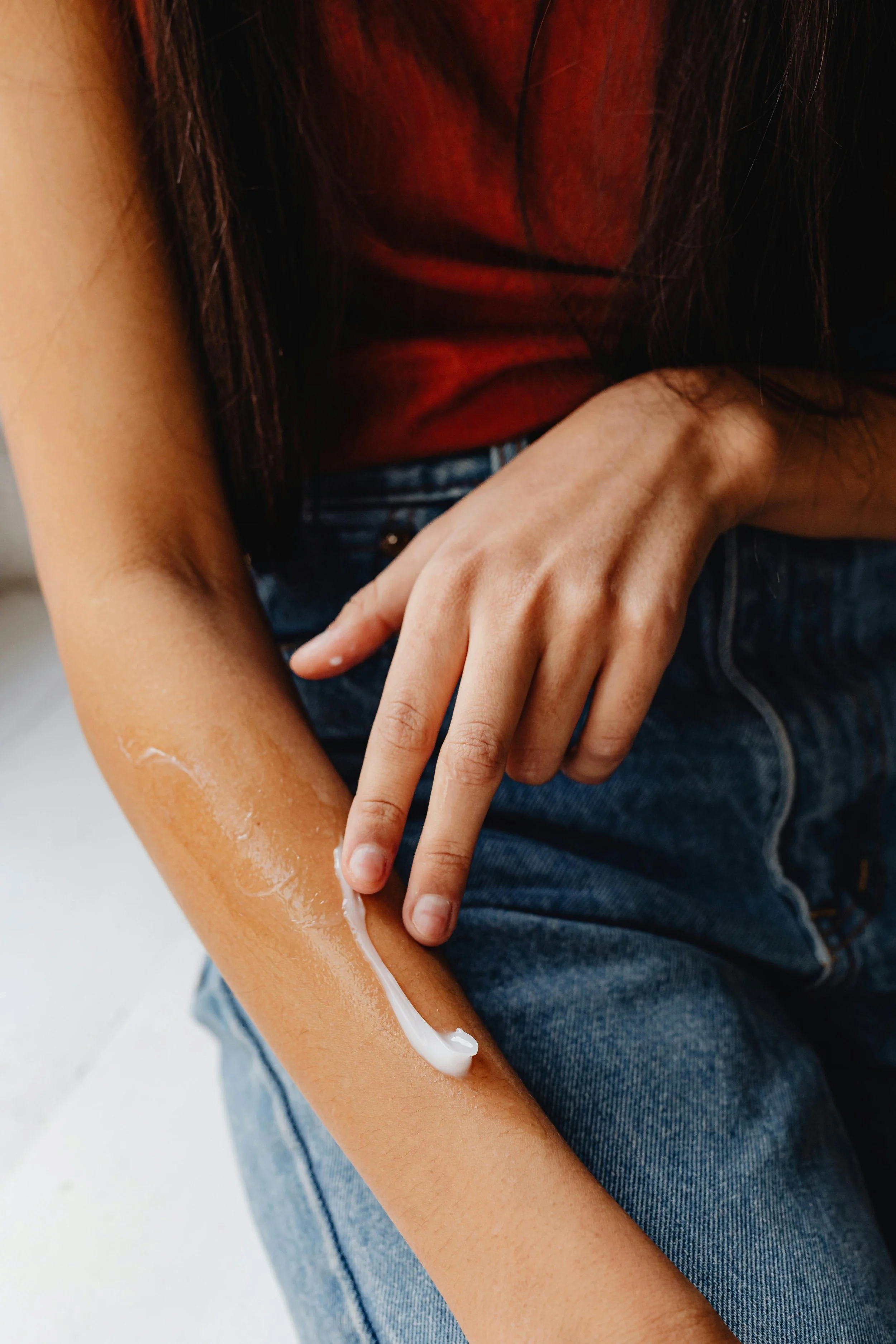
Healthy skin tattoos better. In the week leading up to your appointment, gently moisturizing the area can support skin elasticity, especially if you tend to have dry skin. Use a simple, fragrance-free moisturizer and avoid anything active or abrasive.
Do not exfoliate aggressively, use chemical peels, or try new skincare products on the area before your tattoo. Introducing irritation or sensitivity can make the skin more reactive during tattooing.
If hair removal is needed, follow your artist’s guidance. Many artists prefer to shave the area themselves to reduce irritation and ensure cleanliness. Shaving at home too close to the appointment can cause micro-cuts or razor burn, which may delay or prevent tattooing.
What to Eat Before a Tattoo
Eating a solid meal before your tattoo is essential. Tattooing can lower blood sugar, especially during longer sessions, which can lead to dizziness, nausea, or feeling faint.
Aim for a balanced meal that includes protein, complex carbohydrates, and healthy fats. This helps stabilize energy levels and supports your body through the session.
Avoid arriving hungry, even if you’re nervous. Fueling your body is not optional, it’s part of responsible preparation.
Bringing snacks is also a good idea, especially for longer appointments. Easy-to-eat, non-messy options can help keep your energy steady.

What to Avoid Before Your Appointment
Certain substances can interfere with tattooing and healing and should be avoided before your session.
Alcohol should be avoided for at least 24 hours prior to getting tattooed. Alcohol thins the blood, which can lead to increased bleeding and make it harder for the artist to work cleanly.
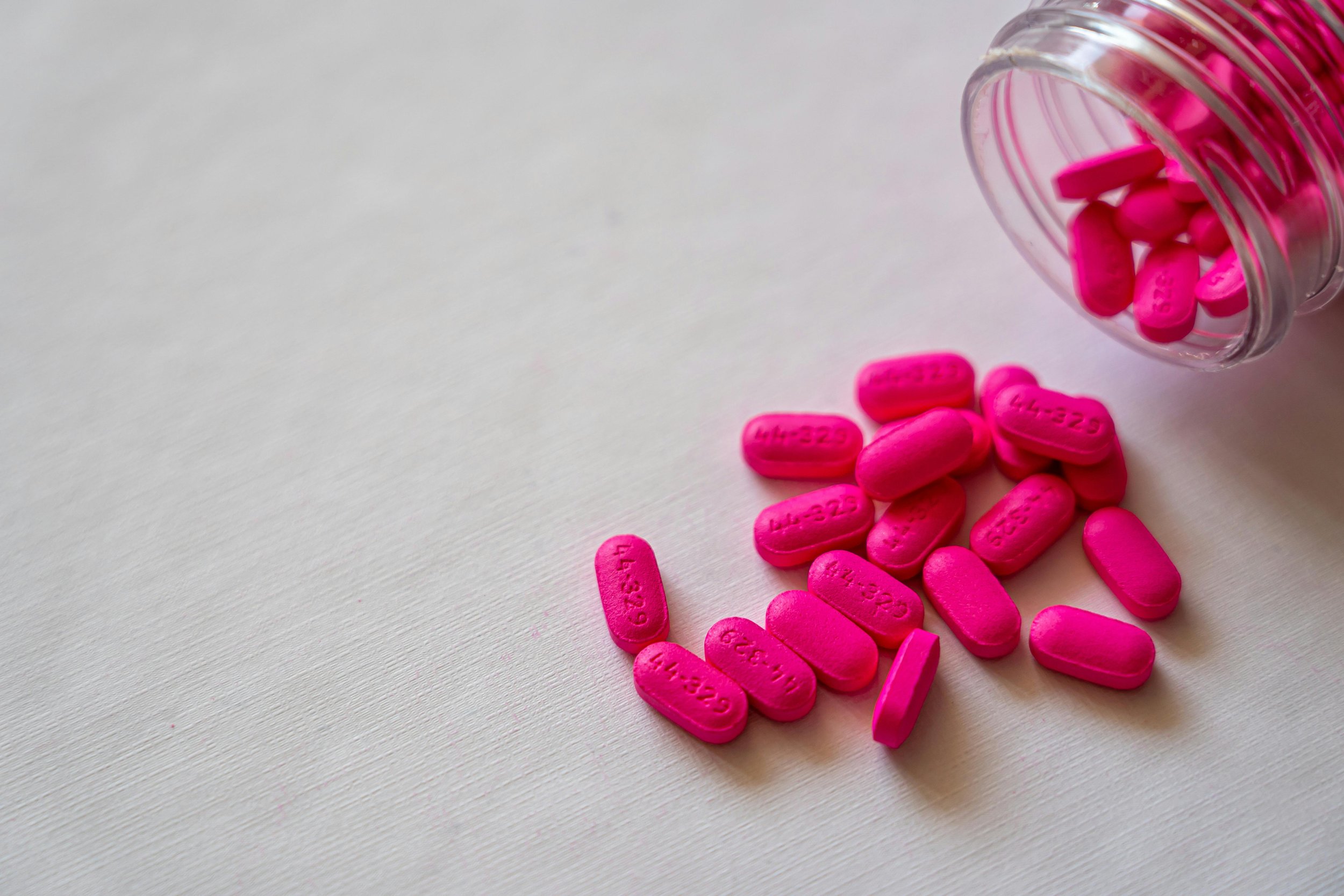
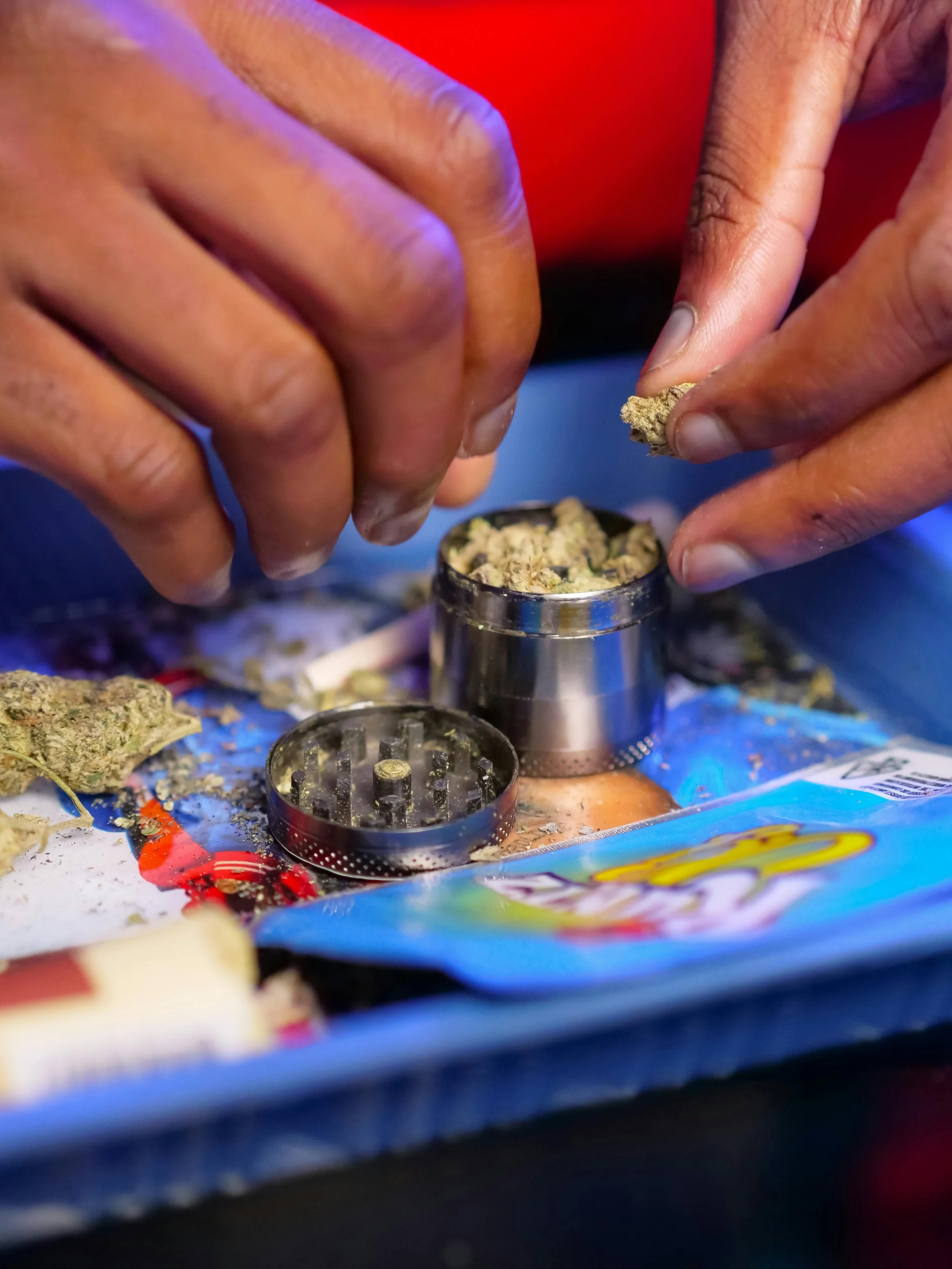
Recreational drugs can also affect pain perception, anxiety levels, and decision-making. Showing up clear-headed allows you to communicate effectively and consent fully throughout the process.
If you take prescription medications, especially blood thinners or medications that affect healing, it’s important to disclose this to your artist ahead of time and follow medical guidance.
Clothing Choices Matter
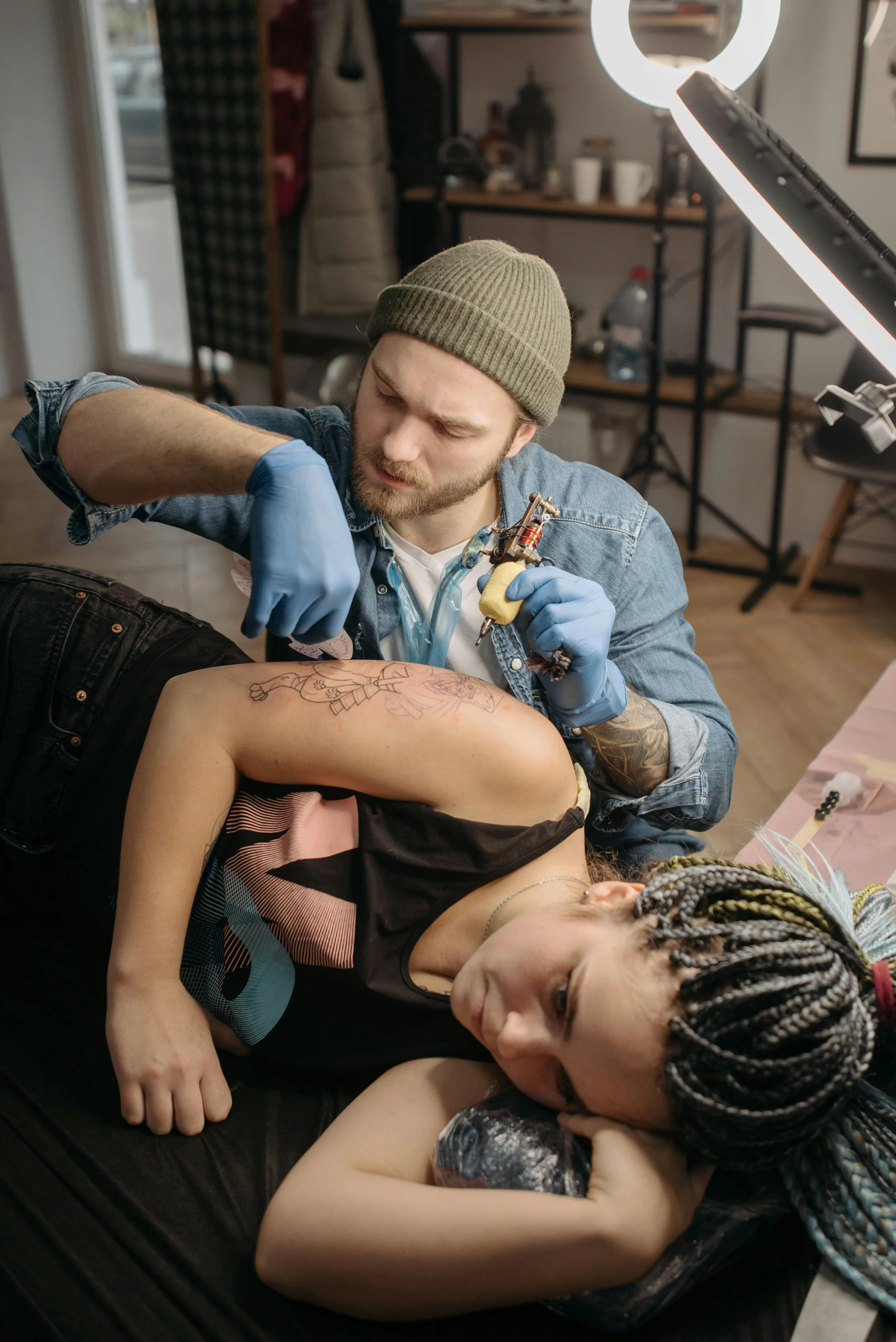
What you wear to your appointment can significantly affect your comfort.
Choose loose, comfortable clothing that allows easy access to the tattooed area while maintaining your dignity. Dark colors are recommended, as ink or plasma may stain fabric.
Think ahead about how clothing will sit on the tattoo afterward. Tight waistbands, straps, or seams rubbing against fresh ink can cause irritation during healing.
Comfort supports relaxation, and relaxation supports better tattoo experiences.
Mental and Nervous System Prep

Tattooing isn’t just a physical experience, it’s a nervous system experience.
It’s normal to feel excited, anxious, or emotionally charged before a tattoo, especially if the piece is meaningful. Taking time to ground yourself before the appointment can make a noticeable difference.
Simple practices like slow breathing, stretching, or taking a quiet moment before arriving can help regulate your nervous system. When your body feels safe, pain tolerance increases and tension decreases.
At Tatu Amor, we emphasize that presence matters. You don’t need to “push through” discomfort by disconnecting from your body, working with it creates a better experience.
What to Bring With You
While every studio is different, there are a few helpful items most clients benefit from bringing.
A water bottle helps you stay hydrated throughout the session. Snacks can be useful for longer appointments. Some people bring headphones, music, or something calming to help them stay relaxed.
If your artist allows it, bringing a support item like a small pillow or blanket can increase comfort, especially during long sessions.
Always follow studio policies and your artist’s preferences when it comes to personal items.
Hygiene and Courtesy
Showering before your appointment is both respectful and practical. Clean skin reduces bacteria and helps everyone feel comfortable during close-contact work.
Avoid heavy fragrances, perfumes, or scented lotions on the day of your appointment. Strong scents can be overwhelming in a studio environment and may irritate freshly tattooed skin.
Arriving on time, sober, and prepared is part of ethical tattoo culture. Your artist has set aside time and energy for you, honoring that matters.
What If You’re Feeling Sick or Run Down?

If you’re feeling unwell, overly stressed, or depleted, it’s worth checking in with yourself honestly. Tattooing places stress on the immune system, and getting tattooed while sick can slow healing or increase complications.
Most reputable artists appreciate open communication and would rather reschedule than push your body beyond its limits.
Listening to your body is a form of respect, not inconvenience.
Preparing Emotionally for Meaningful Tattoos
Some tattoos carry emotional weight, memorials, transitions, healing markers. Preparing for these tattoos may involve more than physical readiness.
Give yourself space to process emotions before the appointment. Let your artist know if the piece is meaningful so they can hold the space appropriately.
Tattoos can be both transformative and vulnerable experiences. Preparation includes allowing yourself to be human in that process.
Aftercare Starts Before the Tattoo
One of the best ways to prep for a tattoo is to plan for aftercare ahead of time.
Make sure you have clean bedding, appropriate clothing, and recommended aftercare products ready at home. Planning ahead reduces stress and helps you focus on healing once the session is complete.
Preparation doesn’t end when the tattoo begins, it carries through the entire healing process.
Preparing for a tattoo is about more than checking off a list. It’s about showing up nourished, rested, honest, and present, for yourself and for your artist.
Hydrate, eat well, sleep, protect your skin, and regulate your nervous system. Avoid substances that interfere with healing. Communicate openly and listen to your body.
A tattoo is permanent, but the experience of getting it matters just as much as the final result. When you prepare with intention, you support not only better healing, but a more meaningful, grounded tattoo experience.