

When Can I Shower After a Tattoo
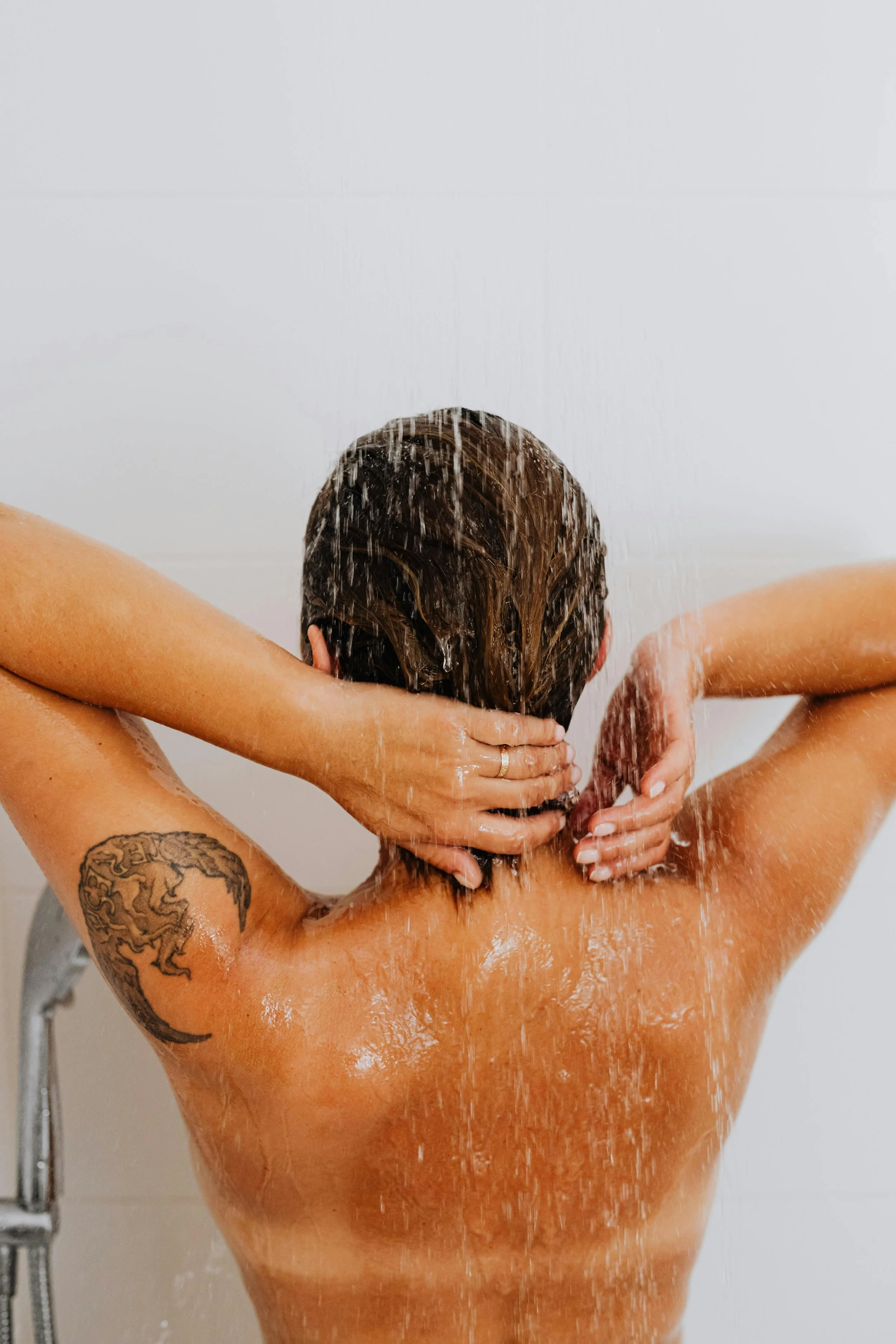
One of the first questions people ask after getting tattooed is also one of the most important:
When can I shower after a tattoo?
You want to feel clean, comfortable, and confident that you’re not damaging your new ink, but advice online can be confusing and contradictory. Some people say you can shower right away, others insist you must wait days, and many aren’t sure where the line actually is.
The truth is that showering is not only allowed after a tattoo, it’s an essential part of proper aftercare. What matters is how and when you do it.
At Tatu Amor, we believe aftercare should be clear, realistic, and rooted in respect for the healing body. This guide will explain when it’s safe to shower after a tattoo, what precautions to take, and why certain water-related activities should still be avoided.
The Short Answer: When Is It Safe to Shower?
In most cases, you can shower within 12 to 24 hours after getting a tattoo, and sometimes even sooner, depending on your artist’s aftercare method.
If your tattoo is covered with traditional wrap, your artist will usually instruct you to remove it within a few hours and gently wash the tattoo. If second skin was applied, your artist may tell you to keep it on while showering, as it is waterproof when properly sealed.
Showering is different from soaking, and understanding that distinction is key.
Why Showering Is Important After a Tattoo
A fresh tattoo is an open wound. During the first day, your body releases plasma, excess ink, and fluids as part of the healing response. Gently washing the tattoo helps remove this buildup, reducing irritation and supporting clean healing.
Avoiding showers for too long can actually increase the risk of clogged pores or irritation, especially if sweat or environmental debris builds up on the skin.
Clean skin heals better, but only when cleaned properly.
Showering With Second Skin
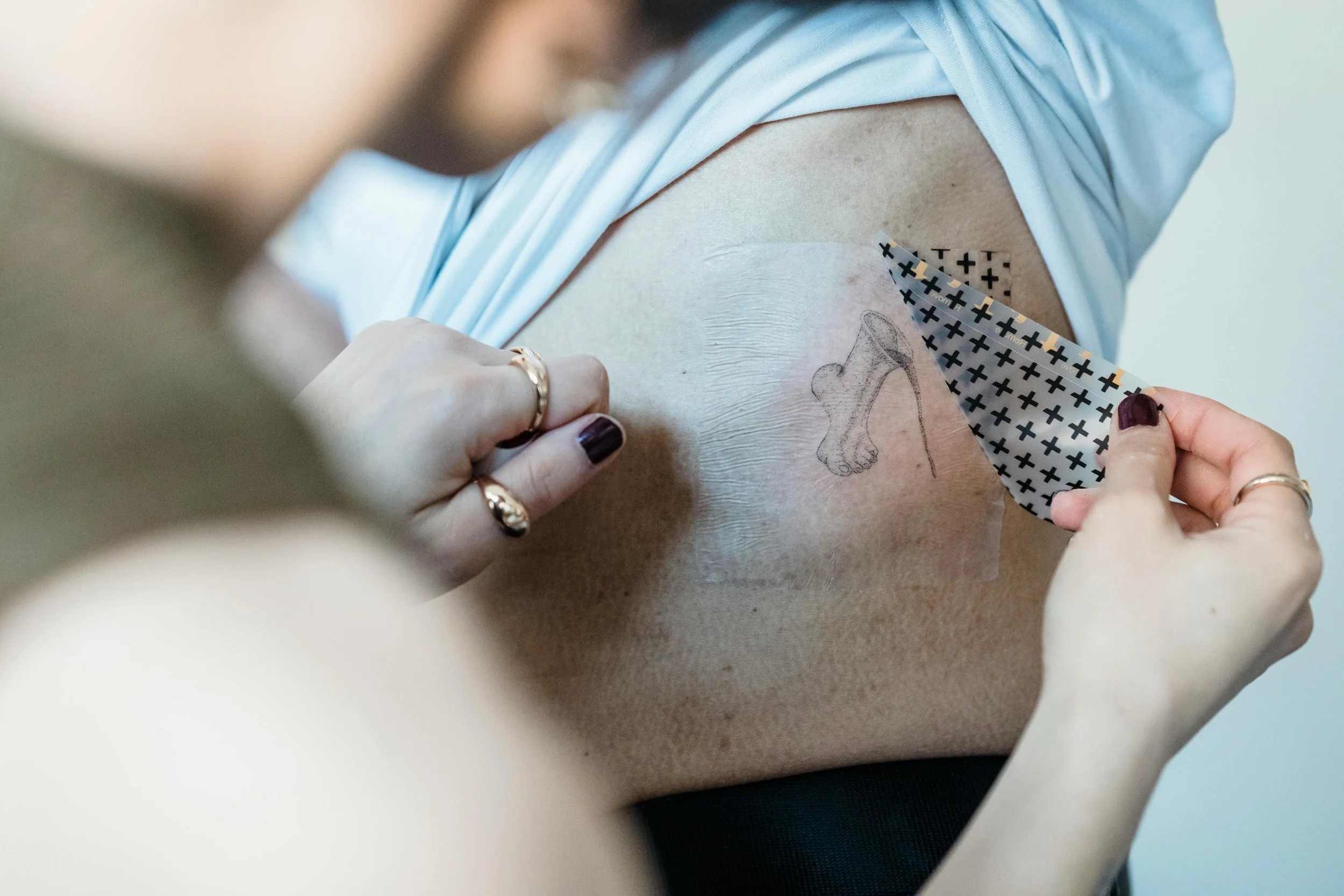
If your tattoo is covered with second skin, showering is usually allowed. Second skin is designed to be waterproof, meaning you can shower without removing it, as long as the seal remains intact.
That said, you should still avoid extremely hot water or prolonged showers. Excess heat and steam can weaken the adhesive, causing the edges to lift or the seal to break.
If water gets under the bandage, or if the seal breaks, the second skin should be removed and the tattoo cleaned according to your artist’s instructions.
What You Should Not Do: Baths, Pools, and Soaking
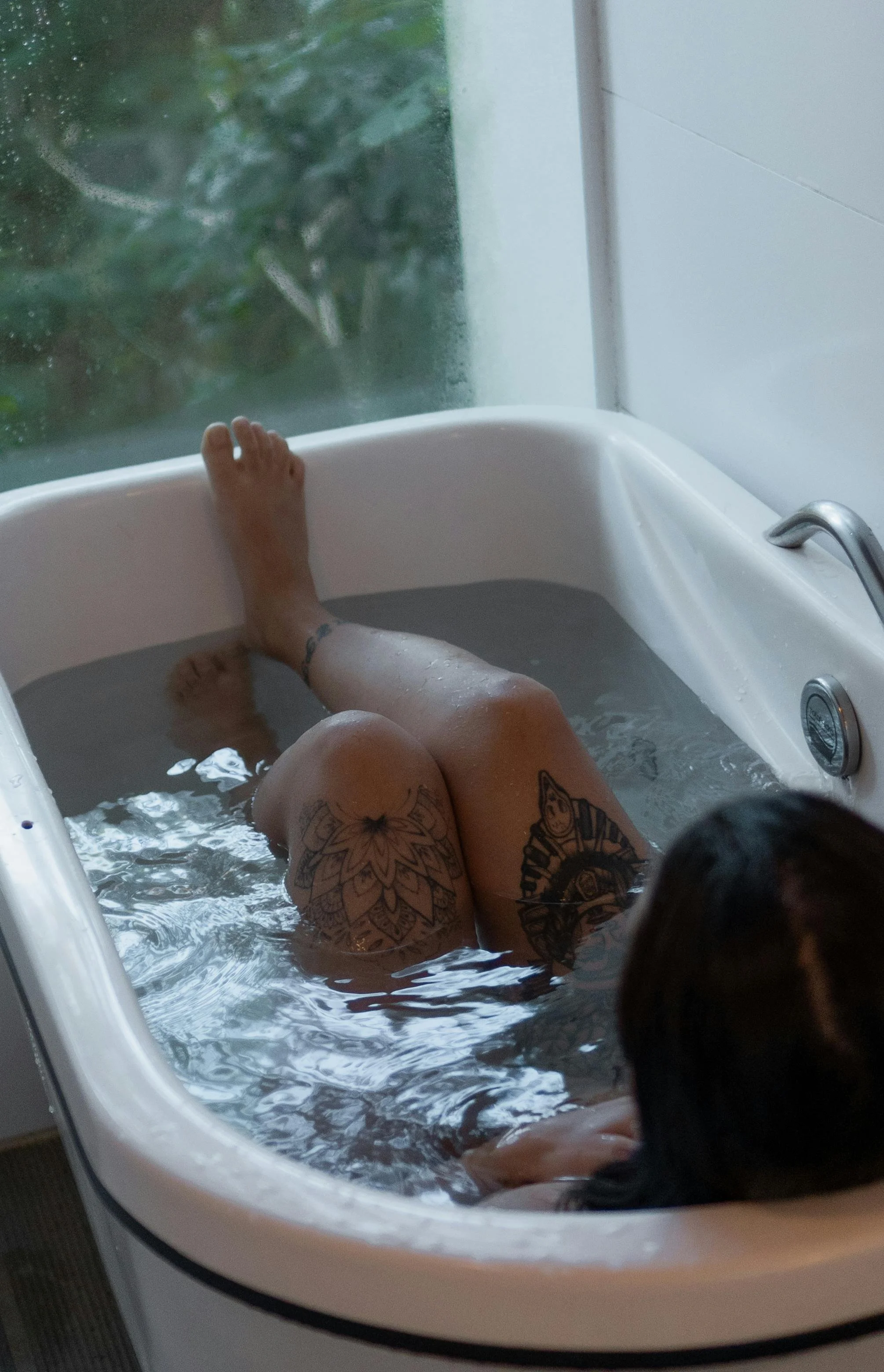
While showers are generally safe, soaking is not.
Baths, hot tubs, swimming pools, lakes, and oceans should be avoided until the tattoo is fully healed. Submerging a fresh tattoo exposes it to bacteria, chemicals, and prolonged moisture, all of which can increase the risk of infection and slow healing.
As a general guideline, soaking should be avoided for at least 2 to 4 weeks, depending on how quickly your tattoo heals.
Showering is brief and controlled. Soaking is prolonged and unpredictable, and that difference matters.
What If Your Tattoo Is Still Oozing?
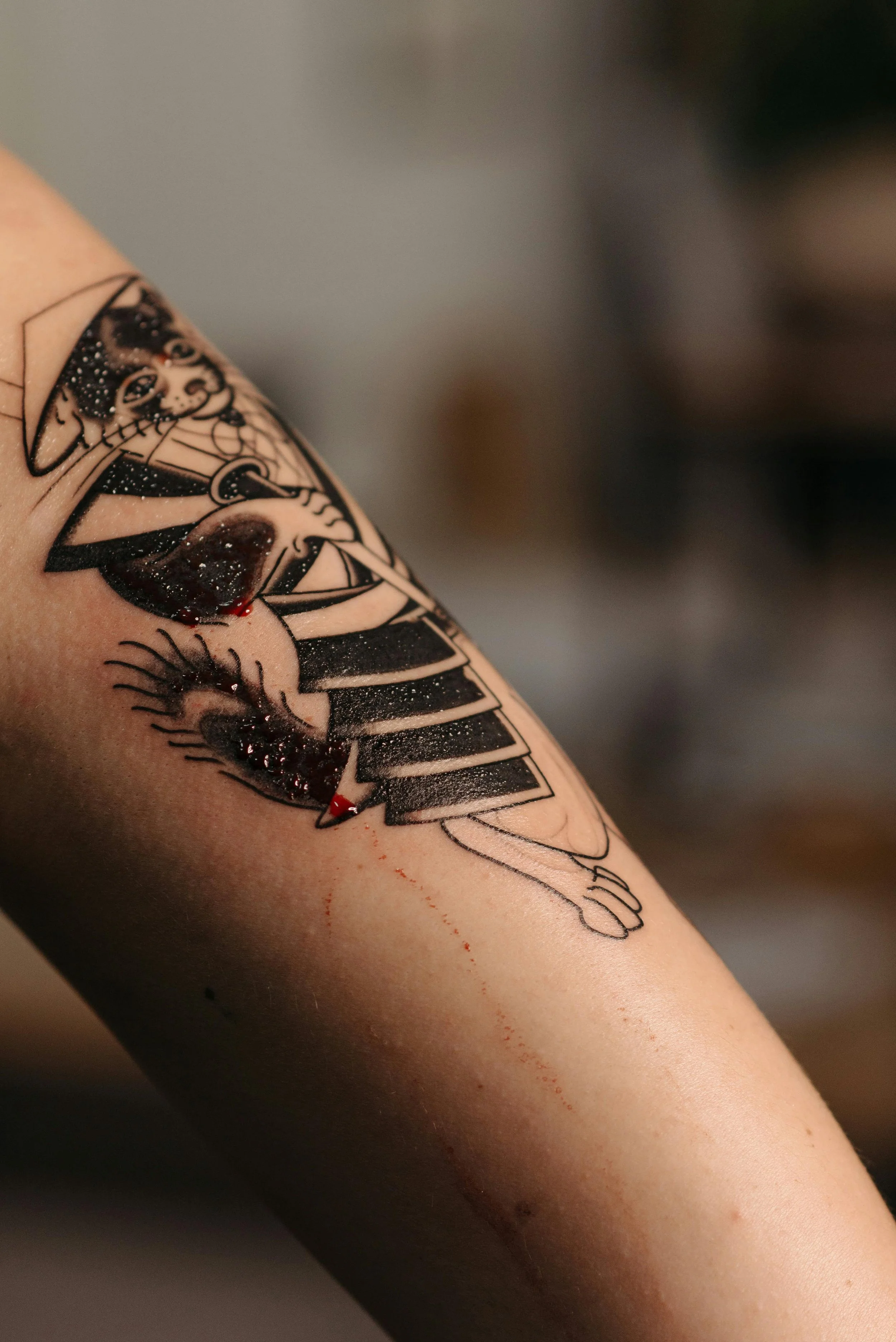
It’s normal for a tattoo to release plasma and ink during the first day or two. Showering can help gently remove this buildup, as long as it’s done carefully.
If oozing continues beyond the first couple of days, or if bleeding seems excessive, it’s worth checking in with your artist. Everyone heals differently, but prolonged oozing can indicate irritation or overworking of the skin.
Keeping the area clean and dry between washes is essential during this stage.
Even though you can shower relatively soon, hot showers should be limited during the first week or two. Heat increases blood flow and inflammation, which can make the tattoo feel irritated or swollen.
If your tattoo feels sensitive during or after a shower, that’s a sign to reduce water temperature or shorten your shower time.
Comfort is a useful guide. Healing should feel supported, not aggravated.
How Long Should You Avoid Hot Showers?
Common Myths About Showering After a Tattoo
One common myth is that water itself is harmful to a tattoo. In reality, clean water is not the problem, prolonged exposure and contaminated water are.
Another misconception is that soap should be avoided entirely. Gentle, fragrance-free soap is not only safe but recommended. What should be avoided are harsh cleansers, antibacterial soaps with strong additives, and anything heavily scented.
There’s also a belief that avoiding showers helps the tattoo “set.” In truth, proper hygiene supports healing and reduces complications.
Healing Stages and Showering
During the first few days, showering helps manage plasma and keeps the skin clean. As the tattoo enters the peeling phase, showers can soothe itching, but it’s important not to pick or rub flaking skin.
Once the tattoo looks healed on the surface, usually after two to three weeks, normal showering can resume, though soaking should still wait until healing is fully complete.
Remember that even when the surface looks healed, deeper layers of skin are still regenerating.
How to Shower Safely With a Fresh Tattoo
When you shower after getting tattooed, gentleness is everything. The goal is to cleanse without overwhelming the skin.
Use lukewarm water rather than hot water. Hot water can open pores, increase inflammation, and make the tattoo feel more sensitive. Let the water run over the tattoo naturally instead of blasting it directly with strong pressure.
Choose a fragrance-free, mild cleanser and use clean hands rather than washcloths or loofahs. Scrubbing or exfoliating a fresh tattoo can cause unnecessary trauma and disrupt healing.
After the shower, gently pat the tattoo dry with a clean towel or allow it to air dry. Rubbing should be avoided during the early healing phase.
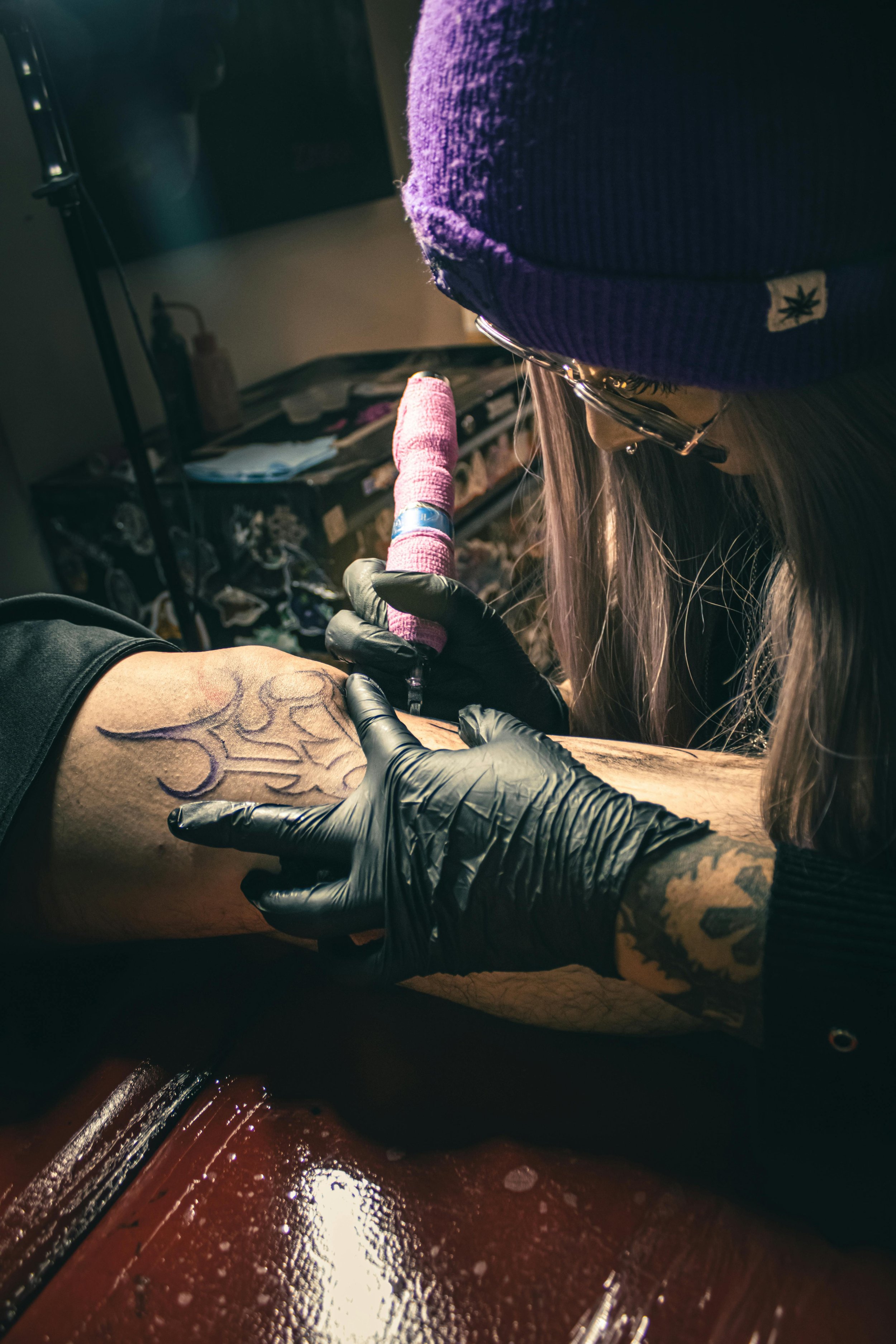
At Tatu Amor, we view healing as a full-body process. Sleep, hydration, nutrition, and stress levels all influence how well your tattoo heals.
Showering is part of that process, not just for cleanliness, but for comfort and nervous system regulation. A calm, gentle routine supports your body’s ability to repair itself.
Rushing, scrubbing, or ignoring discomfort can disrupt that balance.
A Holistic Approach to Tattoo Healing
When to Ask for Help
If you notice signs of infection such as increasing redness, heat, swelling, or pain that worsens instead of improving, seek medical attention promptly.
If you’re unsure whether you’re showering correctly or whether your tattoo is healing normally, reach out to your tattoo artist. Ethical artists want to support their clients through the entire healing process.
So, when can you shower after a tattoo?
For most people, the answer is within 12 to 24 hours, sometimes sooner, depending on your artist’s aftercare method. Showering is safe, and necessary, when done gently and mindfully.
Avoid soaking, keep water lukewarm, use mild soap, and listen to your body. Healing isn’t about strict rules, it’s about informed care and respect for your skin.
Your tattoo will last a lifetime. The way you treat it in the first few weeks makes all the difference.