

Do You Tip Tattoo Artists in Canada?
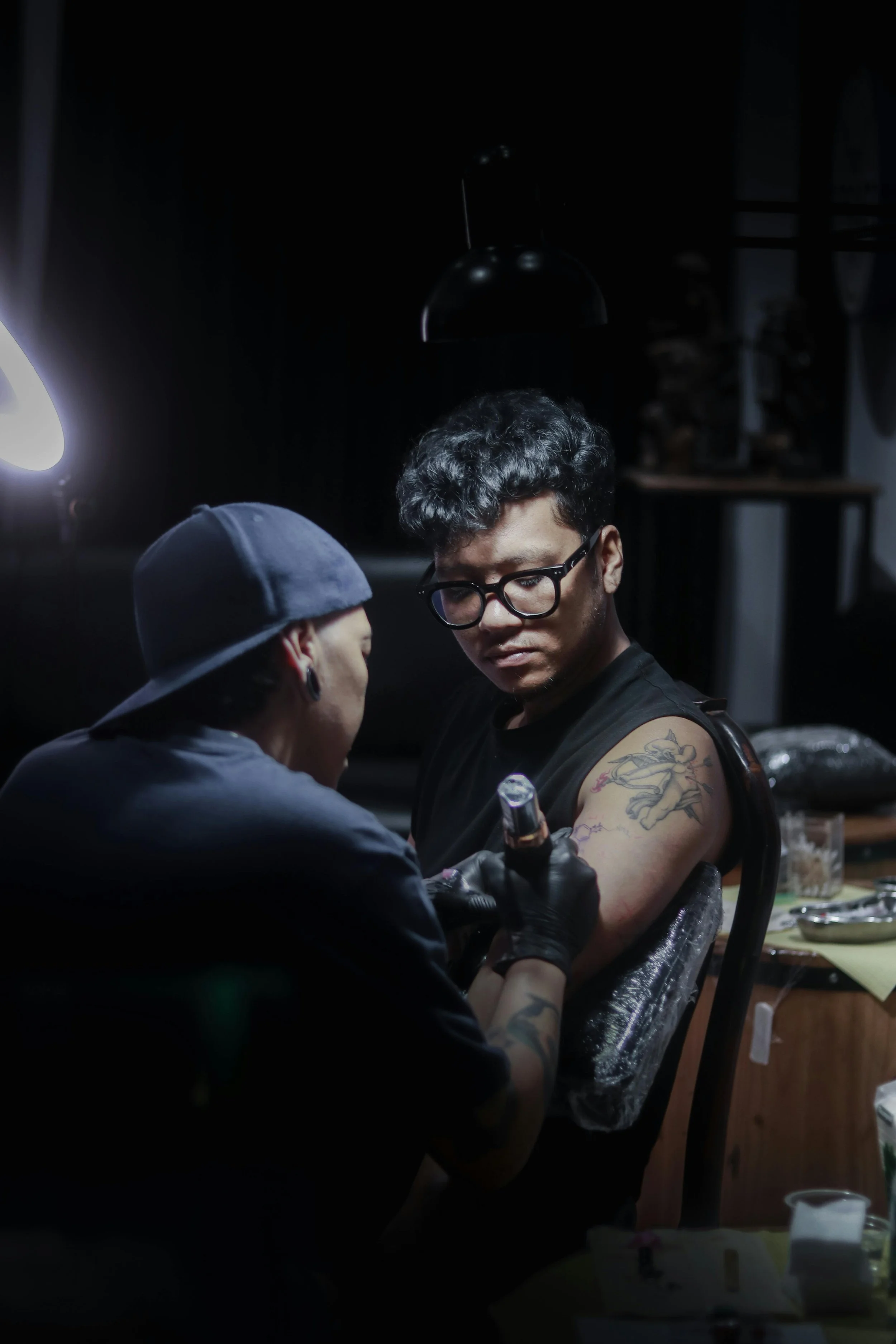
Tipping culture can feel confusing, especially when it comes to tattooing. Some people assume tipping is mandatory, others aren’t sure if it applies in Canada at all, and many clients worry about doing the “wrong” thing after an already meaningful (and expensive) experience.
So let’s talk about it honestly:
Do you tip a tattoo artist in Canada? And if so, how much do you tip a tattoo artist in Canada?
At Tatu Amor, we believe transparency builds trust. Tattooing is a professional service, an art form, and a deeply human exchange, and tipping should never feel rooted in guilt, pressure, or confusion. This guide breaks down Canadian tattoo tipping culture with clarity, respect, and realism.
The Short Answer: Do You Tip a Tattoo Artist in Canada?
Yes, tipping tattoo artists in Canada is customary, but not mandatory.
In most Canadian studios, tipping is appreciated as a gesture of gratitude rather than an obligation. Unlike some service industries where tips are expected to make up for low wages, tattoo artists typically set their own rates based on skill, experience, overhead, and time.
A tip is not required to receive good work, nor should it be used as leverage for better treatment. It is simply one way clients choose to express appreciation when they feel their experience exceeded expectations.
How Much Do You Tip a Tattoo Artist in Canada?
This is the question most people really want answered:
How much do you tip a tattoo artist in Canada?
While there is no official rule, a common guideline is 10–20% of the tattoo price, depending on your experience and financial comfort.
That said, tipping is highly personal. Some clients tip a flat amount instead of a percentage, especially for large or multi-session pieces. Others choose to tip more for exceptional experiences or less if they’re already stretching their budget.
What matters most is that tipping feels intentional, not pressured.
Why Tipping Exists in Tattoo Culture
Tattooing is not a transactional service in the same way as retail or food service. It involves physical labor, creative problem-solving, emotional presence, and long-term responsibility for the work being placed on someone’s body.
Artists invest years, often decades, into mastering their craft. They also carry ongoing costs such as equipment, supplies, studio rent, licensing, insurance, and continuing education. Many artists are independent contractors, not hourly employees.
Tipping emerged in tattoo culture as a way for clients to acknowledge exceptional care, comfort, and artistry, not as a requirement for basic professionalism.
Factors That Influence Tipping Decisions
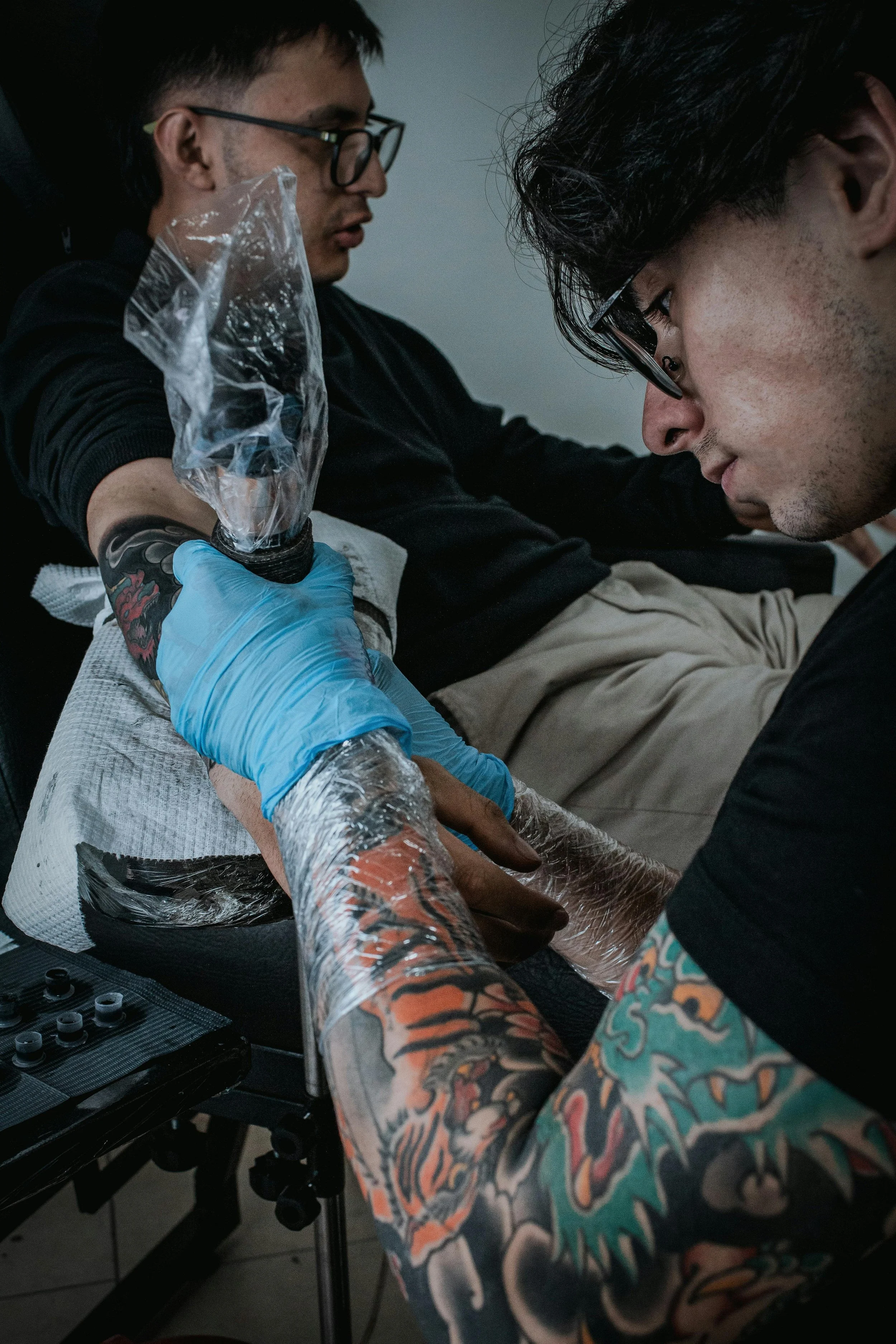
Clients often consider several factors when deciding whether and how much to tip. These might include how comfortable the artist made them feel, how well the artist listened to their ideas, the care taken during the process, and the overall experience from consultation to aftercare guidance.
Time and effort also play a role. A long session, detailed custom design work, or emotional sensitivity around a meaningful tattoo can influence how a client chooses to show appreciation.
That said, it’s important to understand that the tattoo price itself should already reflect the value of the artist’s work. A tip is not meant to compensate for underpricing or replace fair rates.
Alternative Ways to Show Appreciation
Tipping isn’t the only way to support a tattoo artist.
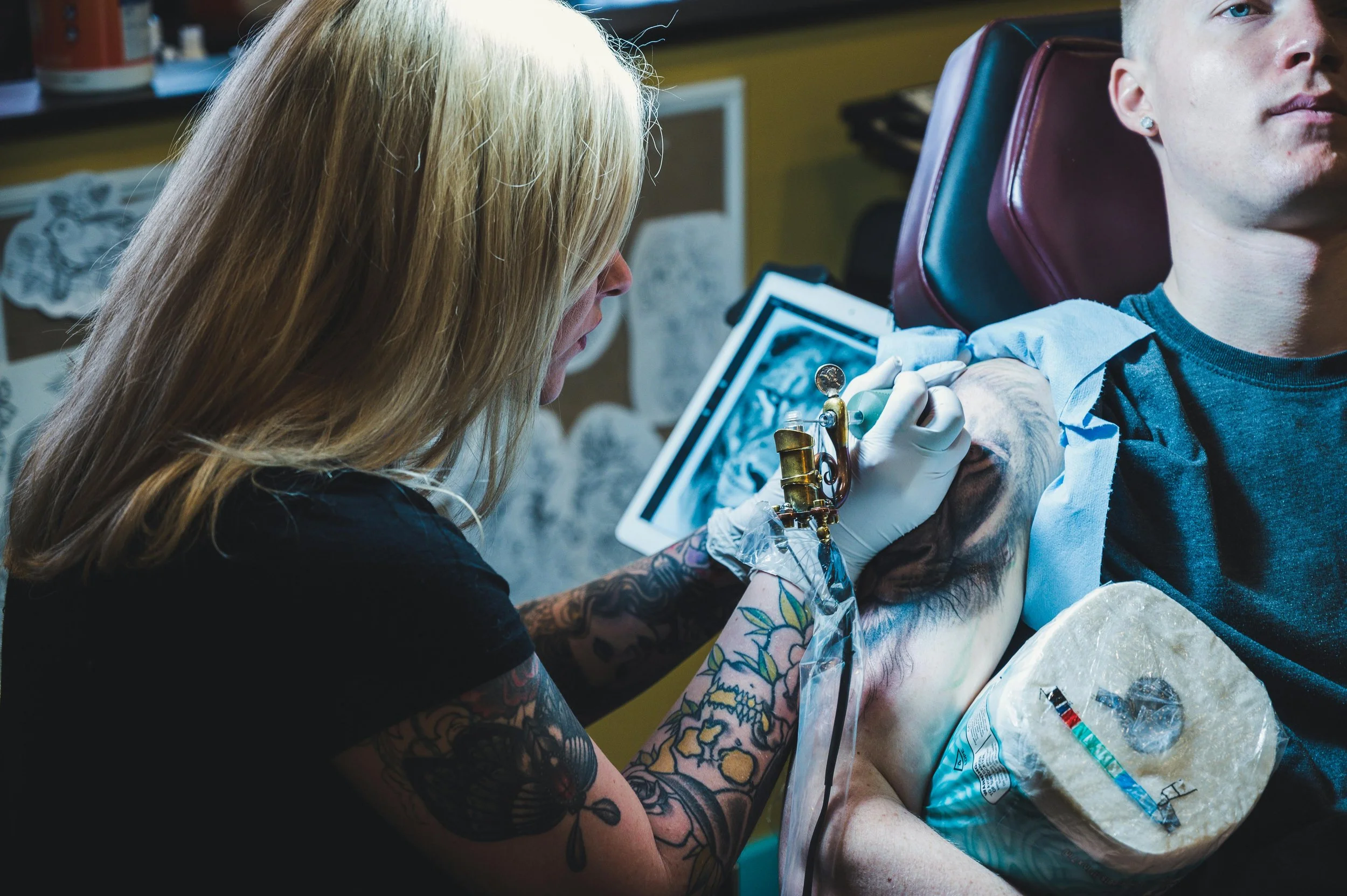
Leaving a thoughtful review, tagging the artist and studio on social media (with healed photos), recommending them to friends, or returning for future work are all meaningful forms of support.
Respectful clients who value the artist’s time and artistry often become long-term relationships, and that kind of mutual respect is at the heart of ethical tattoo culture.
What If You Can’t Afford to Tip?
This is where honesty and compassion matter.
If you can’t afford to tip, that does not make you a bad client. A professional tattoo artist would rather you book responsibly, respect their time, follow aftercare instructions, and show up prepared than feel financial stress over tipping.
Many artists value:
Clear communication
Respect for boundaries and policies
Trust in their process
Proper aftercare and healed results
Referrals and positive word-of-mouth
These things often matter just as much, if not more, than a monetary tip.
Is It Rude Not to Tip a Tattoo Artist in Canada?
Generally, no, it’s not considered rude, especially if you are polite, appreciative, and respectful throughout the process.
What is considered disrespectful is bargaining aggressively, showing up late or unprepared, ignoring aftercare advice, or treating tattooing as a disposable service rather than skilled labor.
Gratitude can be expressed in many ways, and most artists understand that everyone’s financial situation is different.
Canadian vs. American Tipping Culture
It’s worth noting that tipping expectations in Canada tend to be less rigid than in the United States. While tipping is common in both countries, Canadian culture generally places less pressure on clients to tip at a fixed percentage.
This means you may see more flexibility in how tipping is approached in Canadian tattoo studios. Some artists prefer tips, some don’t expect them at all, and others simply appreciate the gesture when it’s offered.
When in doubt, it’s okay to ask, or to tip in a way that feels genuine to you.
Should You Tip for Touch-Ups?
Many artists include touch-ups within a certain time frame as part of the original tattoo price. In those cases, tipping is not expected, though some clients still choose to tip as a thank-you for the artist’s time.
If a touch-up is extensive or outside the included window, the artist may charge a fee, and tipping can again be approached as optional rather than required.
Clear communication helps avoid awkwardness on both sides.
The Artist’s Perspective on Tipping
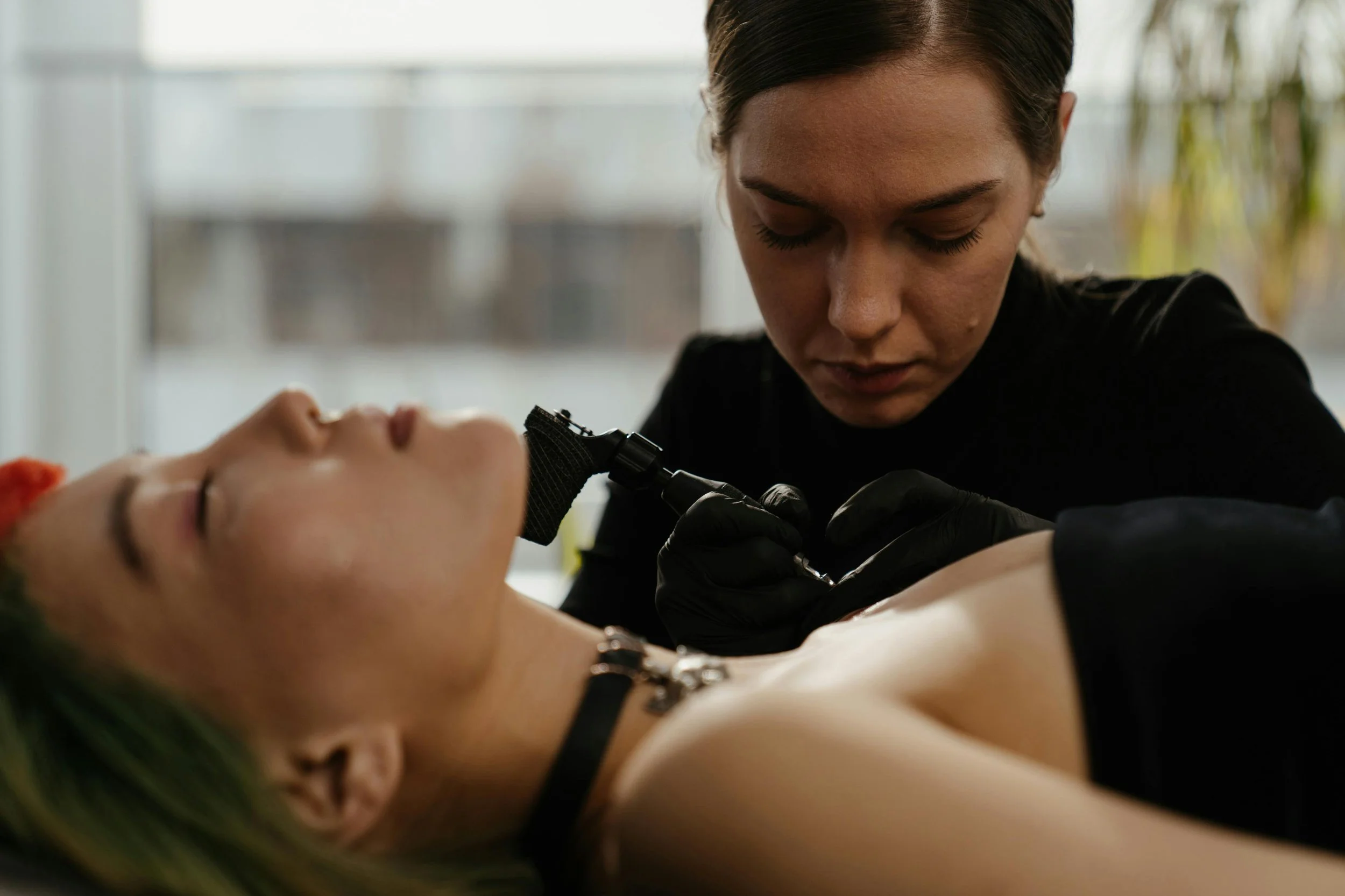
From an artist’s standpoint, tips are appreciated, but they are not the foundation of a sustainable career. Ethical artists price their work to reflect their skill, time, and expenses.
Most artists would rather have a client who respects the process, communicates openly, and honors their body during healing than one who tips generously but disregards boundaries.
At Tatu Amor, we emphasize that integrity matters more than obligation.
A Holistic View of Exchange and Respect
Tattooing is an exchange of trust. A client trusts an artist with their body; an artist holds space, skill, and responsibility in return.
Tipping, when it happens, should feel like a natural extension of appreciation, not a social tax or unspoken rule. When both parties feel respected, the exchange stays clean and grounded.
So, do you tip a tattoo artist in Canada?
Often, yes, but it’s not mandatory.
And how much do you tip a tattoo artist in Canada?
Commonly 10–20%, or an amount that feels aligned with your experience and means.
What matters most is showing up with respect, honesty, and appreciation for the craft. Tattoo artists don’t expect perfection, just presence, communication, and care.
A great tattoo experience isn’t defined by a tip. It’s defined by mutual respect, trust, and integrity, during the session and long after the ink has healed.